Low Maintenance Mouth Still Need Dental Coverage and Preventive Dentistry


A history of healthy teeth can get you wondering why you need dental insurance. There are a few reasons you may not know. To put it simply, when you have dental coverage, you’re more likely to:

  • Save money
  • Save time
  • Stay healthy

Did you know that research has linked your oral health to your overall health and wellness? Many diseases also do the reverse and impact your oral health. There’s a definite cause-and-effect relationship our mouth has with our body. Use this as a major motivator to practice the best oral health habits you can. Having routine access to dental care allows your dentist to monitor how your oral health is progressing. Dentists have a history of identifying major health concerns in their patients.

For this reason, we sometimes refer to dental care as “preventive dentistry.” Preventive care means that you’re visiting your dentist regularly (at least once every 12 months). Brush daily for two minutes in the morning and at night, and floss daily. This keeps plaque, tartar, and infections like gingivitis at bay. So does your dentist! A dental visit gives you more than a brighter smile; you leave knowing your mouth is healthy and with less cavity-causing bacteria.

You’ll Be More Likely to Take Care of Your Teeth

When you have dental coverage, you’re  more likely to visit the dentist. Preventive dental care differs from how we treat our medical care. When we get a rash or break a bone, we see a doctor to fix it. But with dental care, a preventive approach is better. If we take care of our teeth daily, we don’t have to experience tooth loss, tooth decay, or maybe even cavities.

Eighty-one percent of individuals with dental benefits reported seeing a dentist twice a year or more. This drops to 34% for uninsured individuals.

You’re More Likely to Take Your Children to the Dentist

Children with dental coverage are more likely to visit the dentist at an earlier age. Did you know you’re supposed to see the dentist by the age of 1? This can help instill proper oral health techniques and prevent cavities. In a Delta Dental study, the average insured child saw a dentist at 2.5 years old. Uninsured children averaged around 3 years old.

You’ll Experience Better Health and Happiness

People who visit the dentist more often have better oral health. If you have dental insurance, you’re also more likely to opt for restorative and “tooth-saving” procedures. These include fillings, crowns, and root canals. And that means you’re well on your way to keeping your teeth longer. Studies prove that older adults with natural teeth have a better quality of life. They also have more self-confidence than those who have lost teeth.

Dental coverage is a significant factor in overall well-being: Americans who have dental coverage are 14% more likely to report high overall well-being than those without.

You’ll Save Money

Dental benefits are essential to a healthy lifestyle. They allow for consistent preventive dental appointments. The American Dental Hygienists’ Association estimated that for every $1 spent on preventive dental care, we save between $8 and $50. That’s because it prevents more expensive restorative or emergency procedures.

Even if you’ve never ever had a cavity, dental coverage is the right choice. It maintains a healthy mouth and prevents problems from developing – or worse, going unnoticed. Having a large network of dentists through a trusted provider like Delta Dental saves your smile, health, and wallet.

As the nation’s largest dental insurance provider, Delta Dental has an extensive network of dentists for you to choose from.

For information on what’s included in your plan, click here. Don’t have a plan yet? Learn more about getting dental benefits.

Want more? Check out:

*Updated May 2019

New Survey Finds 4 out of 10 Pregnant Women Skipping Crucial Health Step

If you are pregnant or planning to become pregnant, we suggest visiting the dentist !

If expecting women in Wisconsin are anything like their national counterparts, roughly 42.5 percent of them are not visiting their dentist, according to Delta Dental’s new survey. Oral health may not be top of mind for women when preparing for a new baby.

If you are pregnant or planning to become pregnant, we suggest visiting the dentist for a routine examination, cleaning, and to receive guidance about specific oral health issues that may occur during pregnancy. Ask your dentist if you experience any of the following issues and concerns:

  • Why do my gums bleed more easily?
  • “Pregnancy gingivitis” may affect women during pregnancy due to increased hormones.
  • To help prevent a build-up of plaque, brush twice a day with a fluoride toothpaste and floss at least daily, paying special attention to cleaning along and just below the gum line.
  • What is the red lump that has developed along my gumline?
  • “Pregnancy tumors” are somewhat rare red growths of gum tissue that can form on the gums between the teeth as a result of excess plaque, usually during the second trimester of pregnancy.
  • Don’t worry too much. Although they may bleed when irritated, these are benign and harmless, and usually subside on their own after the baby is born.
  • Can I receive routine or emergency dental care during my pregnancy?
  • Dental care is safe and essential throughout pregnancy. There is no reason to defer preventive or other routine dental procedures. Likewise, emergency care can be provided at any time during your pregnancy.
  • If a dental emergency arises, be sure to let your dentist know that you are pregnant. He or she will know what precautions need to be taken to resolve your dental problem.
  • Elective procedures like tooth whitening or other cosmetic work should be delayed until after the baby is delivered.

 Expectant mothers have a lot going on during this exciting time in their lives. However, making a routine trip to the dentist is one we hope you don’t skip. To learn more about dental care during pregnancy, as well as tips to protect a baby’s oral health, visit Delta Dental’s pregnancy resource.

The Out-of-Network Dentist Dilemma: How to Help Employees

What happens when an employee wants to visit an out-of-network dentist? Here are a few things you can do to help:

Are you responsible for managing your company’s benefits? Maybe you’re an HR professional for a large corporation, or perhaps you’re a multi-tasking small business owner. Either way, your employees rely on you to help them navigate their health insurance plan.

So, what happens when an employee wants to visit an out-of-network dentist?

° Start with the Facts

Explain how your company plan works. Most Delta Dental of Wisconsin plans allow you to see any licensed dentist. However, employees will almost always save money if they choose a dentist in your plan’s network.

° How to Help

Let Delta Dental know. If an employee’s preferred dentists is not already part of the Delta Dental network, ask us to invite him or her to participate. Send a recruitment request to our Professional Relations Department at [email protected].

° What Happens Next

When we receive a recruitment request, we review the dentist’s background to make sure they meet Delta Dental’s criteria. Next we send the dentist an invitation to join the network. Advise employees that a recruitment request does not always result in network participation. The dentist makes the final choice.

° The Bottom Line

As subscribers, your employees receive the greatest value when they visit a participating dentist. However, the extra out-of-pocket expense may be worth it to some employees. Encourage them to weigh the costs vs. benefits and make a decision that works best for them.

Camp like a Boss with these 5 Glamping Gadgets

Many people think of camping as a way to escape our technology-obsessed world. While that’s true in some respects, savvy individuals are using technology to enhance their outdoor adventures. People are pulling out all the stops to make sleeping under the stars a 5-star experience. There’s even a term for it — glamping.”

The dental world has come a long way too. In fact, ancient civilizations used to brush their teeth with sticks. Talk about being one with nature! Fast forward to 2015 and there are hundreds of gizmos for your grin.

Before you pack up your portable charger and inflatable tent, check out these 5 glamping gadgets for your smile:

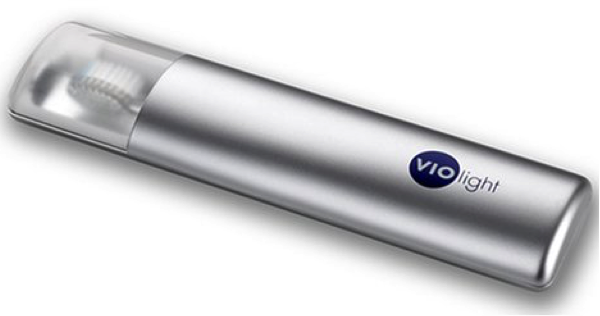
 1. Travel Toothbrush Sanitizer

VIOlight / Via amazon.com

This compact sanitizer uses UV light technology to kill germs on any brush. It also doubles as a toothbrush travel holder (toothbrush included).


2. Biodegradable Floss

RADIUS Organic Silk Floss / Via amazon.com

Thanks to this 100% biodegradable floss, you won’t have to worry about where to put your used threads. Keep your gums happy and the campsite litter-free.


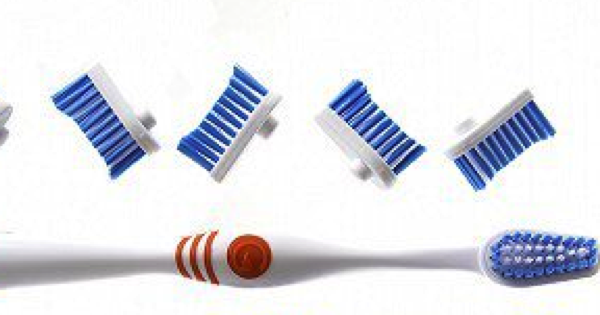
3. Disposable Snap Toothbrush

Via thegrommet.com

Snap on, snap off! This toothbrush is eco-friendly and easy to use. The handle is reusable and the brush heads snap on and off.


4. Hydration-Tracking Water Bottle

Via hidrate.me

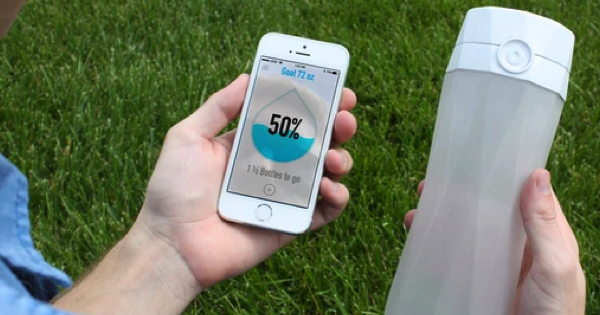
Water consumption is key to oral and overall health. Camping often means hiking, and hiking requires physical exertion. Stay hydrated on the trail with this smart water bottle. The bottle tracks your hydration levels with a sensor and smartphone app. If you need to chug more H2O, your bottle will omit a glow.


5. 3 in 1 Brush, Paste, and Case

Aurelle TOOB Brush/Via REI.com

Make the most of your limited space with this all-in-one essential. The barrel holds your toothpaste and brush in one tiny tube. Best of all, the refillable tube keeps your favorite toothpaste handy. 


What are your favorite luxury camping gadgets? Share them in the comments section below. Happy glamping!

Free Dental Clinics Help Wisconsinites Smile

Delta Dental of Wisconsin was proud to be involved with another successful MOM event.

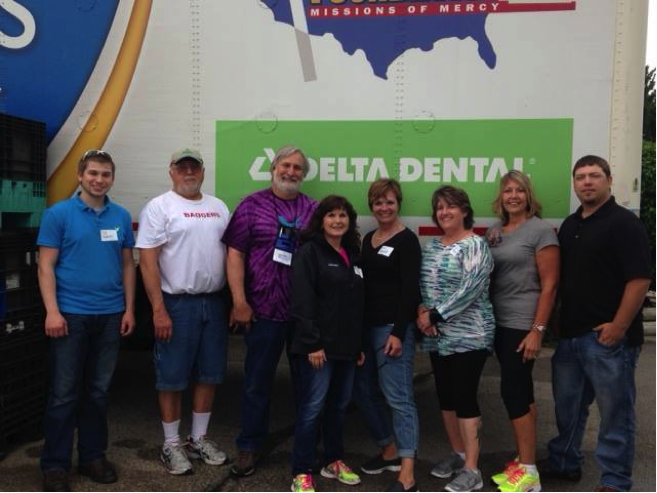
On June 12th and 13th, individuals and families unable to access care in a traditional dental home sought treatment at the Wisconsin Dental Association’s (WDA) Mission of Mercy (MOM) clinic. Delta Dental of Wisconsin was proud to be involved with another successful MOM event. 

A total of 4,924 critically needed dental procedures were performed during the two-day clinic, including:

  • 843 X-rays
  • 1,316 fillings
  • 1,069 teeth pulled
  • 591 cleanings
  • 634 sealant/fluoride treatments
  • 30 root canals and therapeutic pulpotomies
  • 161 full and/or partial dentures
  • One-on-one oral hygiene instruction

Why WDA Mission of Mercy Matters:

  • The numbers speak for themselves.

More than 14,300 children and adults have received in excess of $8.12 million in care at WDA Mission of Mercy events since 2009. This demonstrates the unmet need that exists in our communities.

  • The smiles are real.

One patient wrote, “You are lengthening my life because I realize my dental pain could be infection causing heart damage. Thank you so much…brings me to tears just realizing how much money you are saving me that I don’t have and care I would not be able to afford.”

  • It’s more than “day-of” dental care.

Many Wisconsin residents continue to face barriers to dental care. The Mission of Mercy is not a permanent solution to the much larger problems of access and availability, but it is a way to assure that at least some people are able to address critical care that could impact overall health.  It is our hope that someday more permanent solutions will ensure that events like this will no longer be needed in Wisconsin. 


But what happens year-round when someone needs urgent dental care and is experiencing financial difficulty or temporarily loses dental coverage? Wisconsin has a number of oral health clinics and resources throughout the state to help address ongoing dental needs. Here are just a few situated around the state:

Safety Net Dental Clinics that have received grants from Delta Dental of Wisconsin 

Visit the Delta Dental of Wisconsin Foundation website for a full list of Safety Net Clinics.

Ashland (Ashland County) – Northlakes Community Health Center

Iron River (Bayfield County) – Northlakes Community Health Center

Hayward (Sawyer County) – Northlakes Community Health Center

Eau Claire (Eau Claire County) – Chippewa Valley Technical College

Stevens Point (Portage County) – Ministry Dental Center

Appleton (Outagamie County) – Tri-County Dental

Sturgeon Bay (Door County) – Ministry Door County Medical Center Dental Clinic

Green Bay (Brown County) – Oral Health Partnership

Green Bay (Brown County) – St. Mary’s Hospital (oral surgery for children)

Green Bay (Brown County) – Northeast Wisconsin Technical College

Janesville (Rock County) – HealthNet of Rock County

Whitewater (Walworth County) – Affordable Dental Care

Monroe (Green County) – Fowler Memorial Dental Clinic

Waukesha (Waukesha County) – Waukesha County Community Dental

Beaver Dam (Dodge County) – Church Health Services

Manitowoc (Manitowoc County) – Lakeshore Community Health Care

Milwaukee (Milwaukee County) – St. Elizabeth Ann Seton Dental Clinic

Milwaukee (Milwaukee County) – Children’s Hospital of Wisconsin Dental Clinics

Milwaukee (Milwaukee County) – NextDoor Foundation Dental Clinic

Milwaukee (Milwaukee County) – Bread of Healing

Madison (Dane County) – Access Community Health Center

Madison (Dane County) – Madison Dental Initiative

If you don’t find a clinic in close proximity, please contact your local county health department for a list of available resources near you.

3 Tips for Summer Smiles

3 ways to help your family enjoy summer without sacrificing their smile:

School is out for summer! From family road trips to sports and sleepovers, kids have the freedom to enjoy a much-needed vacation.

While it’s fine to slack off on school year structure, it’s important keep some systems in place. Help your family enjoy summer without sacrificing their smile 

  1. Keep it consistent.

While they may try to convince you otherwise, kids do better with a routine. It’s fine to bend bedtime rules (it’s summer after all), just make sure you and your little ones are getting at least eight hours of shut-eye per night. Sleep is crucial to your mood, body, and smile.

Hold on to healthy habits like brushing and flossing. Let kids pick their favorite summer activities, not whether or not they brush their teeth. All it takes is two minutes, two times a day.

  1. Begin with a brush.

One of the best parts about summer is sleeping in sans snooze button. Unsurprisingly, teens sleep more during the summer than they do during the school year. As soon as you wake up from extended summer slumber, book it to the bathroom and put the pedal to the paste. Here’s why:

While you sleep, your mouth produces less saliva and dries out. That decrease in spit equals an increase in bacteria. So, once you wake, brush your teeth and tongue to get rid of the influx of nighttime bacteria.

  1. Make sweet swaps.

Snow cones, ice cream, and popsicles are just a few beloved summer delights. While we invite icy indulgences on occasion, sugary treats can be harsh to your teeth. Instead of shunning sweets all summer, why not give your favorites a makeover?

Trick your taste buds and treat your teeth with alternatives like this creamy coconut ice cream, or use fresh fruit to make flavorful frozen popsicles.

 This summer let your worries go…not your dental routine. Enjoy your vacation!

Get Insurance Aware: 3 Benefits to Benefits

*Updated April 2021

June is filled with some of our favorite holidays: National Smile Month, Men’s Health Month, Employee Wellness Month, and Father’s Day. Our favorite celebration this month is probably a day you’ve never heard of – National Insurance Awareness Day, which falls on June 28. Take a few minutes to become informed about insurance.

Why you should literally put your money where your mouth is:

An ounce of prevention is worth a pound of care. 

Most types of policies, like health insurance or car insurance, focus on the worst-case scenario. It’s hard to imagine your auto insurance covering routine maintenance, such as an oil change. Contrarily, dental plans focus on preventive care. The reason for that is most dental problems and diseases are nearly 100% preventable. Regular check-ups allow your dentist to check for early signs of more serious problems. Finally, it’s important to remember that at-home oral hygiene habits are just as important as regular check-ups.

Anything can happen.

While it’s true dental insurance focuses on preventive services, emergencies can happen. You never know when a chipped tooth or broken jaw will strike. There are many types of dental plans to fit you, your lifestyle, and your budget. Shop around for a plan that’s perfect for you.

A penny saved is a penny earned.

Would you rather pay $125 for a dental cleaning or $0? We’re fairly confident we can guess your answer. Most dental plans encourage preventive care by covering 100% of the costs of initial exams, cleanings, X-rays, sealants, and fluoride treatments. 

Pat yourself on the back – you’re officially dental insurance aware!

Looking for information on your specific plan? Click here to log into your member portal

Healthy Smile Hack: Summer Dentist Appointments

Summer break is the prime time to send every family member to the dentist. Find out why:

Recognize this short list of smart strategies?

  • Arrive at the DMV the minute it opens.
  • Buy next year’s holiday decorations the day after Christmas.
  • Cook meals in bulk and freeze the rest.

Well, here’s another life hack: Schedule a dentist appointment this summer. Summer break is the prime time to send every family member to the dentist. Why?

It’s easy.

Your summer schedule may be filled with camps and sports, but it’s more open than other times of the year. And, less chaos equals more time. Your kids won’t miss school and you won’t miss work. 

Tip: Does your child start the school year at a different time than most? Avoid the back-to-school rush – book the appointment around other schools’ start sessions.

It’s satisfying.

We all know how good it feels to cross one more errand off our to-do list. And while you’re at it, schedule any other routine appointments you or your family may need.

It’s necessary.

Your child may have indulged in eating plenty of summer sugary treats during the break making them more prone to cavities.

Have a smile-filled, stress-free summer!

Teens and the Advantages of Risk-Taking

Parenting a teenager can be tricky. Try to remember teens are expected to take risks. Guide them to take the right ones.

If you think your teenager is dramatic, you’re probably right: dramatic brain changes experienced during adolescence may explain increased exploration and risk-taking. It’s normal (and necessary) for teenagers to take risks.

Adolescents are going to take risks – plain and simple. As a parent, it’s your job to help them find healthy and safe ways to take risks.

Prevent teen tooth troubles – encourage healthy risks and help them steer clear of unhealthy ones:

Go For It: Healthy Risks

Healthy risk-taking has a chance for failure, but can also be rewarding and surprisingly safe. Teens can step out of their comfort zone in artistic activities, volunteer opportunities, and sports.

Teenagers have the opportunity to thrive in athletic environments. Through sports, adolescents are able to foster friendships, stay in shape, and develop leadership skills.

Make sports safer for your teen – buy him or her a mouthguard. Contact sports, such as football, lacrosse, and hockey, require protection. Don’t let teens risk their smile – find out what sports require mouthguards.

Don’t Chance It: An Unhealthy Risk

Don’t be so negative about negative risk-taking – not all teens regularly repeat unhealthy habits. However, among adolescent health risk behaviors, “regular tobacco use” comes out on top.

Give your teen more reasons to stay away from cigarettes. Smoking negatively affects all parts of your mouth, including:

  • Lips: Over time, smokers develop wrinkles around the lips.
  • Teeth: Cigarettes stain your teeth yellow and make your breath smell.
  • Gums: Smoking contributes to gum disease, often leading to tooth loss.

Parenting a teenager can be tricky. Try to remember that teens are meant to take risks – just make sure he or she is taking the right ones.


Dental 911! Coverage and an After-Hours Emergency

No one wants a knocked-out tooth, but it can happen. Expect the unexpected! In case of (dental) emergency:

No one hopes for a dental emergency, but it can and does happen. Plan ahead for the unexpected. In case of emergency:

  1. Your regular dentist should be your first call. Get your dentist’s phone number now…before an accident happens. Find out how to contact him or her after normal office hours and save it in your cell phone.
  1. Address your pain level as soon as possible by applying a cold compress to reduce swelling and/or any bleeding.
  1. Take your dentist’s advice. You may need to have an emergency office visit.


A dental emergency can take place anywhere. If you happen to be on vacation when a tooth terror strikes, find an in-network dentist in the area. This will ensure lower out-of-pocket costs. Remember – contact your regular dentist first to ensure quick and low-cost care.

To learn how emergency coverage works with your plan, visit our site dedicated to members.