Organizing your dental insurance

Key takeaways on how to organize dental insurance:

  • Organizing your dental insurance is important because it sets you up for great oral health throughout the year.
  • Staying organized helps you make the most of your benefits and reduce out-of-pocket costs.
  • Making a checklist, finding an in-network dentist, understanding your coverage, and writing down your appointments are simple ways to organize your dental insurance at the end of each year.
Continue reading

What to know about your first dental insurance plan

Key takeaways about what you should know about your first dental insurance plan:

  • Your first dental insurance plan helps you build lifelong habits, maintain oral health, and prevent serious issues before they start.
  • From fully covered preventive care to reduced costs for common procedures, dental insurance helps you manage expenses and avoid financial surprises.
  • Not all treatments are covered, and not all dentists accept every plan. Knowing the details helps you make the most of your benefits.
Continue reading

Seeing the science behind the eyes

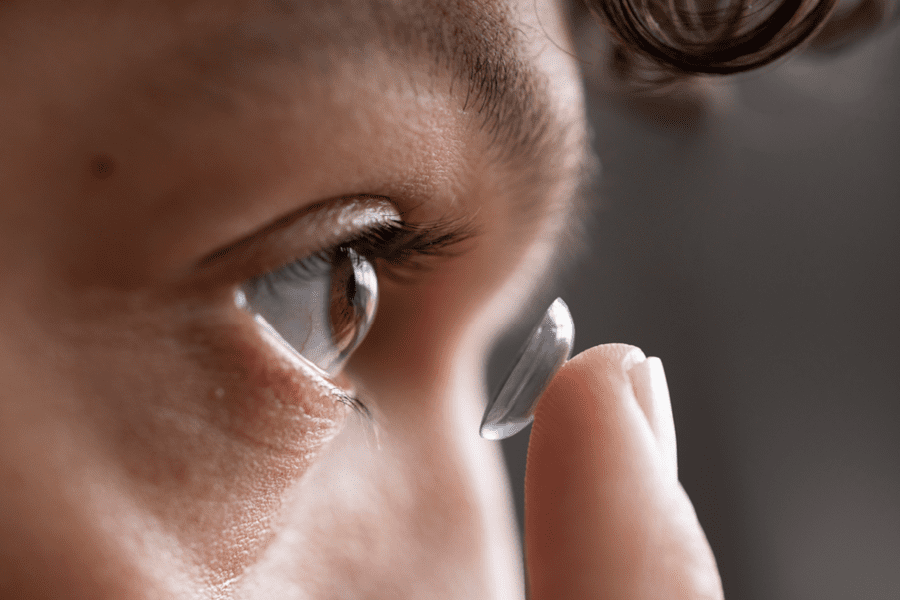
All about eye color

No one else in the world has the same exact eye color as you. Even identical twins can have subtle, but still visible, eye color differences.1 If you’re wondering how your unique eye color came to be, there are a few different factors involved.

Continue reading

Freelancers, students, and part-timers: How to get dental insurance without a full-time job

A shocking 72 million adults in the United States don’t have dental insurance, according to a recent survey conducted by CareQuest Institute. With roughly half of Americans receiving dental benefits from their employers, that leaves a growing segment of non-traditional freelance, contract, and self-employed workers to search for their own coverage.

Continue reading

What causes bad breath?

Have you ever experienced bad breath?

Bad breath can be embarrassing, but it’s a common issue that affects many people. It can have various causes. Some can be managed with simple at-home care, while others may need professional treatment from a dentist or doctor.

Continue reading