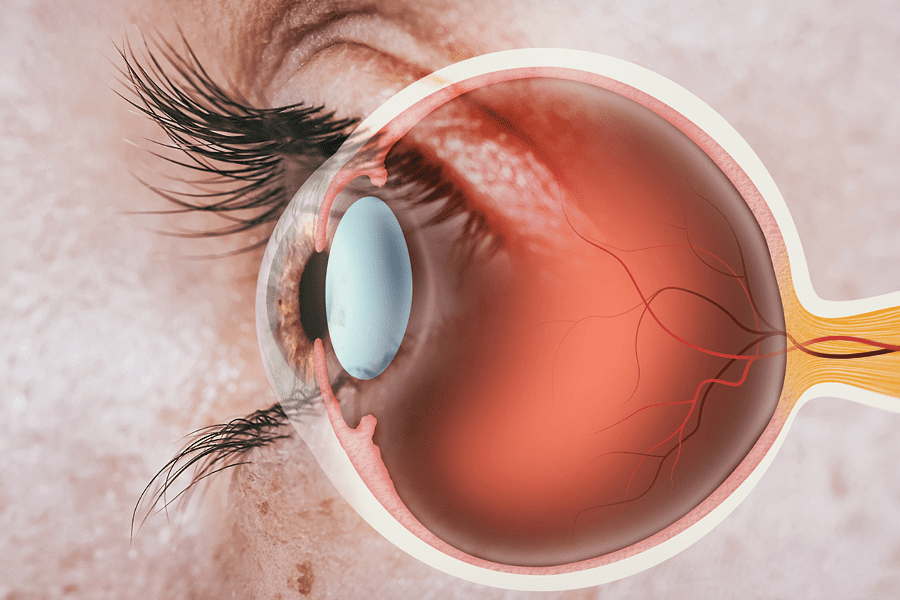
All about eye color
No one else in the world has the same exact eye color as you. Even identical twins can have subtle, but still visible, eye color differences.1 If you’re wondering how your unique eye color came to be, there are a few different factors involved.
Let’s dig deeper into how eye color is determined and other fun facts about the eyes. But first, regardless of your eye color, don’t forget that eyes are the windows into overall health and it’s important to have them checked on a yearly basis.
How eye color is determined
Genetics play a huge role with eye color. Scientists once believed that one single gene contributed to eye color, but advanced research has revealed that several genes are involved.2
Those genes influence the amount of melanin (the same pigment that determines skin color) in the colored part of your eye, also known as the iris. Different eye colors are the result of different amounts of melanin1:
- Brown eyes come from having melanin in both layers of your irises (front and back).
- People with hazel or green eyes have less melanin in the front layer of their irises than people with brown eyes.
- People with little or no melanin in the front layer of their irises have blue or gray eyes.
Today, brown is the most common eye color worldwide. Here is the breakdown of eye color prevalence in the U.S. according to the American Academy of Ophthalmology3:
- 45% brown eyes
- 27% blue eyes
- 18% hazel eyes
- 9% green eyes
- 1% other than what’s listed above
Myth or fact?
All babies are born with blue eyes: Myth. Contrary to the popular belief that all babies start life with blue eyes, there are many babies born with brown eyes.2
Two blue-eyed parents cannot have a brown-eyed child: Myth. Blue eye color is recessive while brown eye color is dominant. So, if the gene for brown eye color is present in the parents’ DNA, then two blue-eyed parents could have a child with brown eyes.2
You can predict a baby’s eye color: Myth. It’s impossible to predict a baby’s eye color with total certainty without knowing what genes they have.2
A baby’s eye color can help reveal congenital diseases and conditions: Fact. For example, if a baby is born with two different eye colors (heterochromia) it can be a sign of Waardenburg syndrome.2 People with brown eyes may have a higher risk of developing cataracts. And people with blue eyes may be more resistant to the effects of mental health conditions like seasonal affective disorder.1
Keeping your eyes healthy
Here are our favorite ways to keep eyes of all colors looking and feeling their best4 (other than getting your eyes checked annually, of course):
- Eating fruits and vegetables high in vitamins A, C, and E
- Exercising regularly
- Staying hydrated
- Wearing sunglasses outdoors
- Wearing safety glasses when doing activities such as yardwork or playing sports
- Practicing good hygiene, especially when wearing contact lenses
- Taking breaks to avoid eye strain when using digital devices
1 “Eye colors”; The Cleveland Clinic; my.clevelandclinic.org; March 2024.
2 Bedinghaus, Troy; “Eye Color Genetics: What Color Eyes Will My Baby Have?”; Very Well Health; November 2024.
3 Gudgel, Dan; “Your Blue Eyes Aren’t Really Blue”; American Academy of Ophthalmology; aao.org; June 2023.
4 “Can You Change Your Eye Color Without Damaging Your Vision?”; American Academy of Ophthalmology; aao.org; November 2024. PDF-2504-M-143

