Make Your Mom Smile – Five Gift Ideas

Mother’s Day is right around the corner! If you are still searching for the perfect gift to show mom your love, here are five gift ideas that are sure to make her smile:

  • Gift card – Gift cards are always great last minute gift ideas; this year consider one she can really sink her teeth into. A gift certificate to a dental spa will help her unwind and relax while showing her pearly whites some love, plus it’s a nice way to thank her for taking care of your chompers!
  • Bed and Breakfast – Maybe you don’t remember your terrible two’s, but you can bet your mom still does. What better way to thank her on Mother’s Day than giving her a few nights of R&R and so she can finally “hear herself think!”
  • Chocolate – A staple in almost every mom’s diet, chocolate is good for the heart and the soul, and is even dentist recommended. Don’t hurt your mom’s teeth by giving her sugary candy, dentists recommend chocolate instead. It dissolves more quickly and is also more tooth friendly.
  • Offer your help – Your mom has spent your whole life picking up after you, cleaning the house, and making sure you had nutritious meals. Give her some love this year by cooking her dinner – and staying to clean up afterwards. Not sure your cooking and cleaning skills are up to par? I’m sure no mom would balk at ordering in, or hiring a cleaning service to give her a break.
  • A special note – Sometimes all your mom needs is some kind words from the heart. If none of these gifts seem to fit quite right, consider sitting down with a pen and paper and reminding her how important she is! You don’t have to be poet or a writer to tell her how you feel – remember she displayed those preschool art projects proudly on the refrigerator.

Whether your mom’s a bit quirky or the sweetest person you know, don’t forget to show her some love this Mother’s day – after all she has done a lot for you!


Shape Up and Smile: Three Workout Alternatives You Haven’t Tried Yet

Go ahead…skip the gym! Here are 3 unique routines to pump you (and your interest level) up!It’s common knowledge that regular exercise is a key component to a healthy lifestyle. Here’s another reason to sweat – your smile. A study with more than 12,000 participants observed the effects of exercise and healthy eating on dental health. Those who exercised and consumed a well-balanced diet consistently had healthier gums and fresher breath, compared to those didn’t.

You know by now that you should exercise. Then why do people still manage to make excuses to skip the gym?

One reason is boredom. If you find the typical gym regimen boring, don’t do things you dread. Try a workout replacement instead!

Here are three unique routines to pump you (and your interest level) up!

  1. Run a (dance) fever.

If running on the treadmill sounds worse than running your nails on a chalkboard, bust a move with this new body-boosting trend – treadmill dancing! Break out the beats and hip-hop your way to a healthier you! Get routine inspiration here.

  1. Kill two “chores” with one stone.

Many view a daily workout as a chore. Why not turn two tasks into one? Go for the housework burn! The more effort you put into cleaning, the more calories you’ll burn. One easy strategy is to alternate your housework between levels. For example, vacuum the basement carpet, and then make the bed upstairs. The constant stair climbing will ensure a spick and span sweat session.

  1. Cirque du sweat.

Trapeze workouts are soaring in popularity. There’s no wonder why – trapeze training focuses on multiple muscle groups at the same time. With more than 100 training schools in the U.S. alone, it’s easy to swing into the trapeze world.

Go ahead…skip the gym! Which exercise alternatives are you most excited to try?

Brushing or Broccoli? Kids Choose Vegetables Over Dental Health

Think it’s tough to get kids to eat their vegetables? A new survey reveals it may be even tougher to get them to brush their teeth.

Nearly half of parents (45%) say getting kids to brush is one of the most challenging things to get their kids to do. That’s slightly higher than getting children to eat vegetables regularly (42%) or getting their help with household chores (41%). 

And, almost a third of parents admit their children’s teeth are brushed once a day or less.

Fortunately, parents are working to get on the right track. 58% of parents have specifically made dental hygiene a household routine and 31% have asked other family members to enforce good dental health habits.

Here are some positive ways to make brushing and flossing an easier item on the to-do list: 

  • Be a role model. Kids love to imitate their parents. Start young ­– make dental care a family activity. Nearly 4 in 10 parents are already doing this by brushing their teeth at the same time as their kids. Family toothbrush time is a great opportunity to reverse roles and let your children brush your teeth.
  • Reward good dental health habits. More than half of parents say rewarding kids for good behavior is the best way to get them excited about healthy teeth. Create a chart that keeps track of daily oral health habits and reward kids accordingly.
  • Call in reinforcements. Young children may be more inclined to brush their teeth if you pick out their favorite character tooth brush, or, try changing up the tooth paste flavor to one of these interesting flavors.

Maybe it’s time to change the messenger. Call the dental office before your child’s next checkup. The same motivational message might be better received if it comes from a third party, like the dentist. 

For more tips on taking care of children’s teeth, as well as other dental health-related news and information, visit the Delta Dental of Wisconsin blog.


What Your Old Toothbrush Can Do For You

Some items are easy to recycle: Old books make great additions to your local school. Hand-me-downs can be given to a neighbor or youngest child. Glass bottles make delightful DIYs.

What about old toothbrushes? While we wouldn’t recommend giving them to anyone at Thursday night book club, we do have a few (sanitary) ideas.

By reusing old toothbrushes, you are saving energy, preventing pollution, and more! These toothbrush tricks will benefit the planet and provide you with a new and resourceful tool..

Here’s how your old toothbrush can help you…

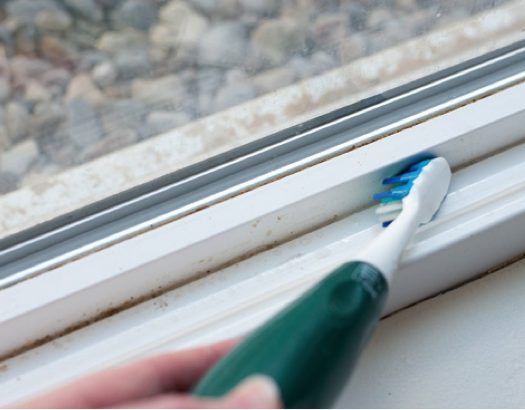
image via areal-lifehousewife.com

Tidy up.

The military used to make soldiers clean bathroom floors with old toothbrushes. While we respect the soldiers’ earth-friendly punishment, our toothbrush cleaning routine is all about reaching those nooks and crannies. The possibilities are endless: appliances, windowsills, keyboards, grout, shoe soles, and even your hairdryer.

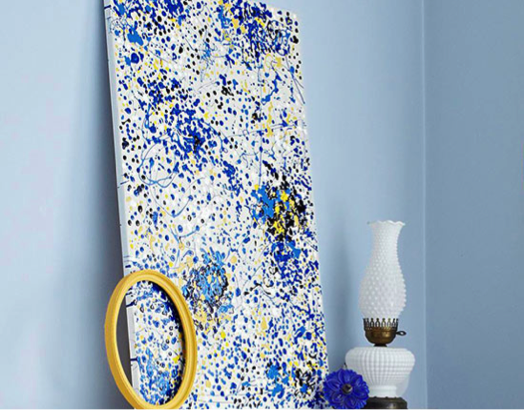
image via bhg.com

Bring out your inner Jackson Pollock.

Toothbrushes make unique art instruments. Use a white canvas, gather old toothbrushes, and pick your favorite acrylic paint colors. Drip, flick, and drizzle until you get a mantle-worthy masterpiece. 

Do you have more ways to make less waste? Share your re-usable toothbrush ideas in the comments section.

Go Green by Going Paperless


It’s obvious we love the color green, but we view “green” as a verb too.

Each year, Americans use around 69 million tons of paper and paperboard. How can you reduce your carbon footprint? One way you can “go green” is with your dental benefit statements and information.

Here’s how to get started: 

  • Go Green e-Statements. Elect to receive your Explanations of Benefits (EOBs) online. Sign into your account and select My Benefits. Scroll down and select Go Green E-Statements. Complete the requested information to begin receiving your e-EOBs.
  • Access your account from anywhere. Our website was set up with your needs in mind. With our mobile responsive design, you can access from your phone, tablet, or computer and you can search for a dentist, access a recent claim, view/use your ID card – everything is on your device!

How does this help the environment?

For every 1 million subscribers who go paperless:

  • 22 million gallons of water will be conserved
  • 1,632 trees will be conserved
  • 7 tons of solid waste won’t be manufactured

Preventing Child Abuse and Neglect: Detection Can Start at the Dentist

Clean teeth and superior dental health are obvious benefits for children receiving regular dental check-ups. However, when some kids sit in the dentist’s chair, a problem more troubling than cavities might come to light: physical abuse.

April is National Child Abuse Prevention Month, and Delta Dental of Wisconsin is proud to support the P.A.N.D.A. program (Prevent Abuse and Neglect through Dental Awareness). The P.A.N.D.A. program trains dentists how to recognize and report suspected cases of abuse and/or neglect in young patients.

In the mid-1990s, one study found that dentists were identifying less than 1% of all reported child abuse cases. This alarming statistic inspired the first P.A.N.D.A coalition. The program has since grown to include Wisconsin, in addition to 46 states and 7 countries.

Injuries to the head, face, and neck account for an estimated 65% of injuries in physically abused children. Dental check-ups serve as a unique opportunity to uncover signs of abuse. In fact, dentists are 5 times as likely to report suspected abuse if they receive the proper training.

The first step in helping abused or neglected children is to recognize the signs. They can include:

  • Loose or fractured teeth
  • Bruises or cuts, especially near the face
  • Absence of hair (from hair pulling)
  • Lags in development or motor skills
  • Rampant cavities in a child’s mouth
  • History of a lack of follow-through for care
  • Untreated pain, infection, bleeding, or trauma

All states’ laws require health professionals, including dentists, to report concerns of child abuse and neglect to appropriate authorities. Dentists and dental staff who suspect child abuse or neglect can file a report through their Wisconsin County Department of Health & Human Services.

Delta Dental of Wisconsin provides detection training at Marquette University School of Dentistry, technical colleges, conferences, and other professional gatherings.

For more information about the P.A.N.D.A. program or to schedule training, please contact Delta Dental of Wisconsin’s Professional Services Department at (800) 836-0490.

Teeth and Tax Season

*Disclaimer- This article is meant to be a guide as you prepare this years’ taxes. This article should not be considered tax advice. You should always consult a licensed and professional tax advisor when doing your taxes, or you have questions in regards to your unique tax situation.

When it comes to dental insurance and filing taxes, both take research and time to fully grasp. Fortunately, we have experts in both fields to help you understand what is and isn’t considered a deduction for dental expenses this tax season. Take the time you need to fully understand how to deduct dental expenses and what deductions you deserve – and which you don’t.

But, don’t wait too long. One in five Americans files their taxes between April 8th and 22nd, just days before the cut-off. This could lead to a rushed filing and missed opportunities if you’re itemizing your deductions. Get to know what your options are when it comes to deducting dental expenses and get going on tax season! If you’re itemizing your deductions, make a list of the dental expenses from last year.

Remember: You can only deduct medical and dental expenses that are more than 7.5 percent of your adjusted gross income (AGI) when filing for years prior to 2019. For 2019 and beyond, this number jumps to 10 percent of your adjusted gross income. In most cases, your AGI is lower than the total income you report on the first lines of your tax return. Your AGI will never be more than the total income you report on the first lines of your tax return. To calculate your adjusted gross income (AGI), click here.

Can I Deduct Dental Expenses?

A document from the US Department of the Treasury Internal Revenue Service called Publication #502 specifically lays out what an acceptable medical deduction is, including dental expenses. But, they’re lingo can be tricky to understand, so we’ll help break it down.

The IRS publication 502 writes, “Medical expenses are the costs of diagnosis, cure, mitigation, treatment, or prevention of disease, and for the purpose of affecting any part or function of the body.”

That means that when you do what we call “preventive care” at the dentist, you’re helping mitigate – or relieve – unhealthy damage from occurring. This prevents your mouth from developing complications down the line like gum disease or tooth decay and is considered preventive care. Preventive care in the mouth stops harmful bacteria from spreading to other parts of the body, like the heart, brain, or pancreas.

  • Preventive Treatment Examples:

Standard dental procedures, like teeth cleanings, sealants, and fluoride.

The IRS document that explains deducting dental expenses goes on to say: “These expenses include payments for legal medical services rendered by physicians, surgeons, dentists, and other medical practitioners.” The IRS made sure you know to include your dental expenses. When you’re a subscriber with Delta Dental, you can always rest assured that your expenses are for legal medical services rendered, or given, from a dentist.

“[Deductible expenses] include the costs of equipment, supplies, and diagnostic devices needed for these purposes.” A toothbrush is considered a “general health item” by the IRS and can’t be deducted. But, dental treatments that prevent disease are included.

  • Dental Treatment Examples:

X-rays, fillings, braces, extractions, dentures, crowns and root canals, and other dental ailments.

Did you know that transportation to and from these dental appointments are also deductible?

  • Transportation Examples:

Out-of-pocket expenses related to getting to the dentist, such as the cost of gas and oil, can be deducted when you or a dependent has a preventive care or treatment appointment.  Car insurance costs, general repair, or maintenance expenses are not deductible on your taxes.

The IRS writes, “If you don’t want to use your actual expenses for 2018, you can use the standard medical mileage rate of 18 cents a mile.”

Don’t forget to keep your receipts when parking! You can deduct parking fees and tolls from these appointments, too. Add up any fees and tolls related to appointments for you or a dependent’s dental health whether you use actual expenses or the standard mileage rate.

What Not to Include When Deducting Dental Expenses

When it comes to the IRS, compliance is key. Remember that the following procedures and items can’t be deducted from your taxes:

  • Cosmetic Procedures:

Cosmetic dental procedures are used to improve the appearance of someone’s smile and are not considered preventive dental care. Teeth whitening and veneer application fall under the category of cosmetic dental procedures.

Sometimes a dental procedure is considered preventive because of the circumstances. If a dental implant was done to repair damaged teeth, it’s helping to give you better smile health and could be deducted. The IRS uses the code your dentist writes on your dental chart to indicate the procedure and determine if it can be deducted from your taxes.

Check your medical and dental expenses and what percent of your adjusted gross income they made up. Only medical and dental expenses that are more than 7.5 percent of your adjusted gross income can be deducted for years prior to 2019. For 2019 and beyond, it’s 10 percent.

It’s important to note if you have a flexible spending account or health savings account. If you use one of those for medical or dental expenses, that money you spent on expenses was pre-tax and cannot be claimed or deducted.

Want to learn more? The IRS’ YouTube Channel has videos on the taxes and health care, as well as videos on other factors you may have questions about when it comes to filing.

While you may have deductions surrounding your dental costs, this article is not specific to your personal financial situation. Please seek professional advice based on your particular circumstance.

Editor’s Note: Content updated March 2019.

April is a Laughing Matter

A smile can do wonders for a person. It can make you feel happier, more confident, and relaxed.

And what happens when you take that smile one step further? Laughter.

Think about how energized you feel after a workout. Laughter gives you similar feelings. It can improve your immune system, reduce pain, and elevate your mood. And best of all, it’s just plain fun.

April is National Humor Month and we want to make sure you get your daily dose of giggles and guffaws. Because laughing is an extension of smiling, we invite you to share your favorite joke in the comments section below.

What does EOB mean? Explanation for an Explanation of Benefits (EOB)

*Updated April 2024

Navigating dental insurance terms and documents can feel like deciphering a foreign language. One such document that can leave patients scratching their heads is the Explanation of Benefits (EOB).

What is an EOB?

An Explanation of Benefits, commonly referred to as an EOB, is a paper or digital statement sent by your dental insurance provider detailing the costs of services or treatments that they have covered on your behalf, as well as any charges you’re responsible for.

While it may seem similar to a bill at first glance, an EOB serves a different purpose altogether. Instead of indicating the amount you owe, it serves as a summary of the claims processed by your insurance company, outlining what services were provided, the associated costs, and how much your insurance covers. If your procedure with your dentist was fully covered, you won’t receive an EOB. That’s because the rate the dentist requested was covered by insurance.

Why is an EOB important?

An EOB provides information about any outstanding payments owed to your dentist. It also serves as an opportunity to verify that you’ve been accurately billed for the services and to ensure that the charges align with your plan’s coverage.

It’s important to review your EOB to check for any billing mistakes. Typically, an EOB provides information such as the treatments administered, dentist fees, insurance reimbursements, potential costs for deductibles or copays, details on procedures not covered by your policy, coordination of benefits (if applicable), utilization of your annual maximum, and your contributions toward the deductible in the current benefit year.

An EOB is a way to keep all parties informed and honest. It allows the insurance company to communicate to the member what exactly you are financially responsible for. You shouldn’t pay any more or any less than what is stated on the EOB. If your statement says “not chargeable to patient” anywhere, this is a reflection that the dentist billed above what their contracted rate allows.

What to do if there is a mistake on your EOB

You shouldn’t have to take any action when you receive an EOB. However, if you didn’t receive the services listed on the document or if something looks to be incorrect from what you recall during the treatment, it’s important to contact us.