Bye-Bye Baby Teeth: A Loose Tooth Guide

From first wiggles to gap-toothed giggles, losing teeth is a mouth’s coming-of-age story. Baby teeth falling out means your little one is growing up. It’s been awhile since you put a tooth under your pillow for the Tooth Fairy — what can you expect this time around? Let us refresh your memory:

• The loose tooth journey: Three’s a charm when it comes to the age you should expect to see that full set of baby teeth. Early teethers tend to be early losers, but it’s impossible to pinpoint exact age. Usually the first tooth will fall out around age 6 and the remaining baby teeth will continue to be lost over the next few years.

• Loose tooth food choices: To reduce your child’s pain and wiggle time, serve soups, puréed veggies and other foods that require minimal chewing.

• When a loose tooth lingers: Give it time. If the tooth is loose enough, grasp it firmly using a tissue. Pull upwards and give it a sharp twist. Don’t panic when you see blood — a little bleeding in the area is normal.

• From loose tooth to celebration: Once the tooth falls out, the fairy flies in! Teach your kids about Tooth Fairy traditions and celebrate accordingly. Need a gift guideline? The current rate for a tooth is $4.36, according to the National Tooth Fairy Poll. Tell your child the Tooth Fairy favors healthy teeth, so it’s important he or she keep their smile in shape.

Your baby is growing up, so remember to treasure all the toothless memories!

Understand Your Dental Plan Coverage: Make the most of your benefits in 2020

Get a head start on next year’s benefits game plan. The more you inform yourself, the more comfortable you’ll be with utilizing your benefits fully! Get insurance organized now for a stress-free year.

1. Make a checklist. Start with the basicsmake a list of preventive services you need including a cleaning and checkup. If you know you’ll need additional dental work, like fillings or crowns, pencil those procedures in too. If you have pain, that’s a pretty good indicator that you’ll need more that just preventive treatment. But, don’t worry. Most dental procedures are painless in today’s day and age!

2. Study your coverage. Once you know what procedures you need, familiarize yourself with dental insurance basics. What’s your deductible? What about your annual maximum? Additionally, it’s helpful to know that most plans cover a percentage of procedures up to a specific dollar amount. Review your dental benefits so you know what’s covered. If you’re not sure what your dental plan covers, enroll now in our member portal. Your plan coverage details are included there to refer back to whenever you need them.

3. Construct a timeline. Write down any procedures that should be done this year. Scatter them accordingly to accommodate your budget and plan coverage.

4. Write it down. A lot can happen in a year! Keep track of any insurance use throughout the year. This will keep your mind fresh when selecting your most appropriate plan come next open enrollment.

Now, get organized and start making positive changes. Here’s to a happy and healthy new year!

3 Money-Saving Ways to Keep Young Smiles Healthy

Your child’s smile is priceless. But the cost to keep that smile healthy can be a considerable expense for your family budget. On average, dental costs make up 20% of a child’s total health expenses.

Almost one in four children have untreated tooth decay, which can lead to future costs and health problems.  Save money on your child’s smile with these three tips:

1. Treat baby teeth like grownup teeth.

Just because we lose our baby teeth doesn’t mean they should be neglected. Tooth decay in baby teeth affects permanent teeth, creating the potential for future (and more expensive) dental problems. Kids should see the dentist as early as age one and parents should help establish a consistent tooth care routine for their children.

2. Invest in preventive care.

You have to spend money to save money! The national average for a child’s dental exam is $61 without insurance.  Meanwhile, the average cavity treatment costs $139.

Parents may also consider sealants for their child, which protect against cavities and can prevent future restorative costs.

Most insurance plans cover preventive services. Learn what option is best for you and your family.

3. Use your insurance.

Dental insurance is designed to save you money. Visit a Dental Dental PPO provider to get the most bang for your buck.

Allocating your time and insurance resources for your child’s smile is a worthwhile investment.

Lesson Plans for Smart Smiles: Dental Health Resources for the Classroom

We love teachers. Their dedication for shaping the minds of our little loved ones often goes above and beyond what they are asked to do. So, we wanted to return the favor by helping ease the workload by suggesting a few dental-themed lesson plans to teach healthy habits:

Help Roger The Robot Floss His Teeth
via Delta Dental of Arkansas
Level: 1st Grade
National Health Education Standards: 1, 6, 7

Overview

Students will use their math skills to determine the daily code and help Roger the Red Robot floss his teeth.

Supplies

  • Roger the Red Robot story found online
  • Roger the Red Robot Flossing Codes sheet (one per student) found online (link above)
  • Roger the Red Robot with numbered teeth found online (link above).
  • Print one in color on 11 x 17 paper
  • Dental floss
  • 14 thumb tacks

Steps

  1. Put the Roger the Red Robot printout with numbered teeth on a bulletin board and put a pushpin by each of the numbered “teeth.” Make sure the number is visible.
  2. Read the Roger the Red Robot story to the class.
  3. Discuss the importance of brushing teeth twice a day and flossing them once a day. Discuss who the professional is who helps us care for our teeth (our dentist). Discuss what happened when Roger ate junk food.
  4. Using the Flossing Codes sheet, each day find the code to floss Roger’s teeth.
  5. Have students take a 2 foot long piece of dental floss and using the secret code, put the floss over the first number, under the second number, etc., and pull the floss gently back and forth to “floss” Roger’s teeth.

Egg-citing Experiment
Level: Grades K-4

Let students “brush the teeth” (egg carton) using the white paint and toothbrush. Once the paint is dry, it’s time to floss! Work with children to place “plaque” (moldable dough) in between each egg carton crack. Then use the floss to remove the dough from each tooth.

Happy Tooth/Sad Tooth
Level: 1st Grade
National Health Education Standards: 1, 7

Overview

Students will identify nutritious foods and drinks that can keep our teeth healthy, and foods and drinks that can hurt our teeth.

Supplies

Steps

  1. Lead the class in reviewing the importance of teeth and explain that teeth help us chew healthy food, which keeps our bodies healthy, and helps us to learn. The choices we make in our foods and drinks can help or hurt our teeth.
  2. Help students brainstorm a list of foods and drinks that they think would be healthy for our teeth and why.
  3. Repeat with a list of foods and drinks that would be bad for our teeth and why.
  4. Give each student a Happy Tooth sheet and a Sad Tooth sheet.
  5. Instruct students to choose healthy foods and drinks to write on the Happy Tooth. They can also color a picture of the food beside the tooth.
  6. Instruct students to choose unhealthy foods and drinks to write on the Sad Tooth. They can also color the Sad Tooth gray or brown and draw cavities on the Sad Tooth.

Extension/Adaptations

Introduce this lesson by reading the class books such as “Fancy Nancy and the Too-Loose Tooth” by Jane O’Connor, “Clarabella’s Teeth” by An Vrombaut, or “The Tooth Book” by Edward Miller.

For more dental health resources, check out the National Education Association’s Children’s Dental Health Activities.

A Parent’s Guide to the Perfect Slumber Party: Tooth-friendly tips to ensure smiles all around

You’re probably wondering how to keep the party fun for the kids, and low-stress for you. The answer is easy: Have a plan! As a parent, we’re sure you already know — kids do better with a routine.

Here are 3 plan-ahead DIYs to get the party started:

1. Souvenirs

Head to your local budget store and pick out sleepover-themed trinkets. Write each guest’s name on a bucket to make them feel extra-special. Slip stickers, lip balm and dental items into each favor bundle. Why? Toothbrushes are forgotten most at sleepovers, according to experts.

2. Snacks

Unhealthy snacks are a slumber party staple. Spice up your sleepover with a healthy, easy-to-please alternative: Pint-sized pizzas!

Start with mini, thin-crust pizza rounds (most stores even make whole grain versions!). Then let little chefs pick their favorite ingredients. Healthy options include:

• Low-fat cheeses

• Mushrooms

• Peppers

• Olives

• Lean turkey

• Broccoli

• Spinach

3. Selfies

Selfies and sleepovers go together like PJs and popcorn. Hang fabric for a funky photo wall. Print out our templates (below) so slumber partygoers can DIY photo booth props. Get creative — markers, feathers, and sequins make for extra flare.

It’s fine to bend bedtime rules a little, just make sure little ones get at least 8 hours of shut-eye.

Is the Beverage to Blame? Sports Drinks May Not Be Causing Those Cavities

Erosion, decay, acid, damage. These were the words splashed across the Google results page after we searched, “sports drinks and teeth.”

Though it’s true they can harm your teeth, the same is true of your habits. A few mistakes we all may be making include:

• Assuming They’re For You

Intensity is everything. If you’re an athlete or partake in prolonged physical activity, you’ll benefit from swigging a sports drink. Intense workouts deplete your body’s resources and overall energy. Sports drinks fight fatigue and supercharge stamina with electrolytes and carbohydrates.

Remember — water is (almost) always the winner. 

• Consuming Them Wrong

While it’s true sugared drinks can cause cavities, how and when you drink makes a huge difference. Make sure to take a sip of water after consuming sports drinks. The water helps to wash away plaque-causing bacteria. You can also try drinking with a straw to minimize teeth contact.

• Abusing Them

If you are constantly snacking on sweets or sipping a sweet beverage, your teeth are exposed to acid all day long. When sugar sits on your teeth for long periods of time, you’re prone to decay.

As with everything, moderation is key. Sip sports drinks occasionally and brush after consumption.

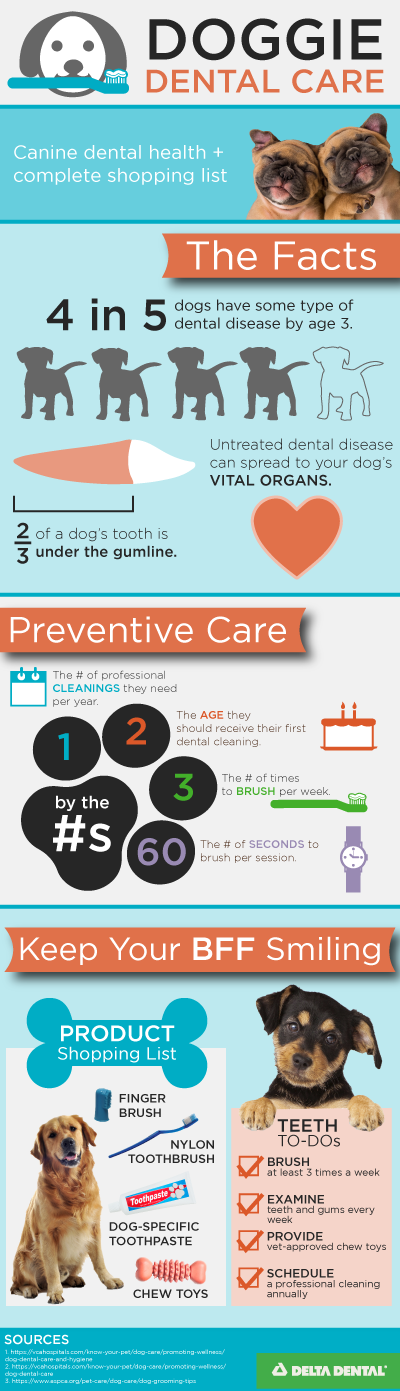
Doggie Dental Health Infographic

Your dog’s teeth matter, and their beauty routine isn’t complete without a teeth cleaning. Learn about why canine dental health matters, and how you can take care of their doggie grins:

canine dental health

Safe Smiles for Young Bucks!

PLUS: Meet Milwaukee Bucks Players

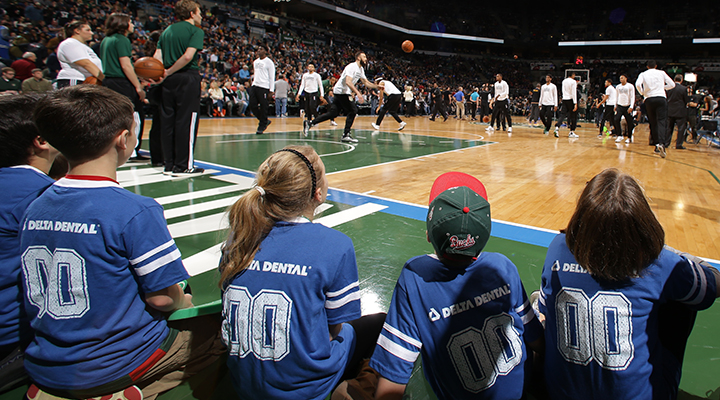
Basketball season is here, and we want to help you smile on and off the court! We are pleased to announce a new sponsorship with the Milwaukee Bucks for the 2015-16 NBA season. This year, Delta Dental of Wisconsin will sponsor the Delta Dental Starting Lineup. Eight lucky fans ages 6-13 will have the once-in-a-lifetime opportunity to high-five the home team players as they are announced immediately prior to tip-off.

One of the eight winning kids will be selected from the Delta Dental Starting Lineup contest page and will receive a set of four lower level tickets for the game. The other seven winners will be selected randomly on game day. Sign up today to have a super Bucks smile!

Defining Delta Dental: We’re Not a Dentist Office

Girl-Chalkboard

“Can I schedule an appointment?”

“You’re a dentist office, right?”

“Where are you located?”

We’ve heard it all before. Not everyone knows what Delta Dental does or how we commit ourselves to your oral and overall health. But we hope to change that!

So who is Delta Dental? Here’s what you need to know:

We Sell Dental Benefits

In 1954, a group of dentists met to discuss how to better improve the oral health of the communities they served. They became the first organization to specialize in dental coverage, serving members in California, Oregon and Washington. In 1966, the group expanded its coverage and formed the Delta Dental Plans Association (DDPA).

There Are 39 Delta Dental Companies

DDPA is comprised of 39 independent member companies including Delta Dental of Wisconsin, serving all 50 states, Washington D.C. and Puerto Rico. Together we serve over 59.5 million people from 93,000 employer groups.

We Give Back

We believe everyone deserves access to good oral healthcare. At Delta Dental of Wisconsin, we have made it part of our mission to help extend access to care, advance the science, and support an effective oral-health workforce. Learn about the projects that receive support from our Charitable Fund, and how we live our mission to help improve oral health for residents in Wisconsin.

We’re proud to be a part of your community. Contact us today to learn how we can keep you smiling!