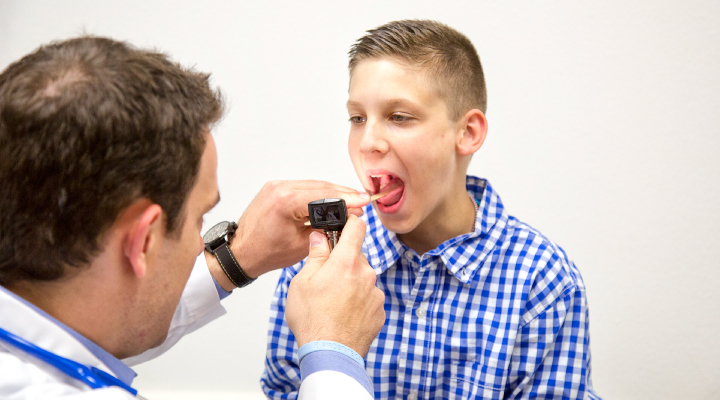
It’s UV Safety Month – a great time to remember that it’s essential to protect skin from the sun’s rays. When you’re outside this summer, remember to apply sunscreen to an often-overlooked part of the body: your lips. In fact, 63 percent of sunscreen users don’t protect their pout.[1] Sun exposure to lips can increase your risk of oral cancer.
Dental Emergencies and How to Prepare
The warm summer weather inspires people to get outside to enjoy swimming and sports. While fun, these activities also have the potential to cause dental injuries for both kids and adults. It’s important to keep dental emergency information, such as dental benefits and dentist phone numbers, handy for yourself and childcare providers in case you experience summer tooth trauma.
Low-Fat or Low-Sugar: Which Diet Wins?
We could all afford to cut back on sugary snacks and fatty foods. But which diet—fat fasting or sugar-slashing—is best for your body and smile?
Continue reading
How Dentists and Physicians Work Together for Your Oral and Overall Health
Between oral and overall health, your body works as a system. Oftentimes an oral health issue can signal a problem that requires the attention of both professions. Oral health problems can often signal serious systemic illnesses. How dentists can help physicians detect problems:
Continue reading
Got Milk, Wisconsin? Celebrate National Dairy Month.
As America’s dairyland, Wisconsin knows that dairy is an important part of the culture and health.
Continue reading
Grow Wisconsin Smiles
A balanced, nutritious diet is essential to healthy living and a healthy smile. Yet only 7.5% of Wisconsinites eat the daily recommended vegetable allowance, and less than 13% eat the recommended fruit allowance.
Continue reading
Homemade Healthy Popsicles | 3 Flavors
Popsicles are a favorite ice-cold summer delight. Unfortunately, most pops are loaded with added sugar and artificial dyes which can be harsh on your teeth. Give this family favorite a makeover with these homemade healthy popsicle recipes:
Is Activated Charcoal Safe for your Smile?
*Updated February 2023
The teeth whitening trend has turned black, thanks to activated charcoal. Between brushes and pastes, brands are have marketed charcoal as a miracle mouth product. But does the black powder actually make a difference when it comes to oral health? Take a look at the science behind the trend.
What is activated charcoal?
Activated charcoal is very different from the kind you throw on the grill. Charcoal becomes “activated” when it is treated with oxygen at extremely high temperatures. This causes the charcoal to become larger and more porous.
Activated charcoal has many uses including emergency poison treatment, increasing kidney function, and reducing cholesterol levels. In addition to medical uses, activated charcoal can also be found in a variety of cosmetics, including toothpaste.
Is activated charcoal good for teeth whitening?
The effectiveness of activated charcoal as a teeth whitening tool is just beginning to be studied. Therefore, there is not a lot of evidence that suggests the product is scientifically proven to whiten teeth.
A new study from PubMed found that activated charcoal is less effective at whitening teeth when compared to alternatives. It is also suggested that it may be less safe due to its abrasive nature.
Another study concluded that activated charcoal toothpaste was no more effective at whitening than the average fluoride toothpaste after 12 weeks of use. Interestingly, the teeth became rougher after using the activated charcoal toothpaste.
If you are considering adding activated charcoal products to your oral health routine, it is a good idea to reach out to your dentist. They may have more effective and safer alternatives that may be a better choice for you.
Is activated charcoal good for teeth?
If you’re using activated charcoal toothpaste for whitening, you might wonder if the product is safe for your teeth. Unfortunately, the abrasiveness and general lack of fluoride in the product can do more harm than good when it comes to your teeth. In addition to causing damage to your tooth’s enamel, abrasive products can lead to other oral health problems such as gum recession and a higher risk of tooth decay.
The bottom line on activated charcoal products
Despite the exaggerated claims of many oral health products, activated charcoal may do more harm than good when it comes to whitening your teeth. Therefore, many dental health professionals do not recommend it as a solution to their patients.
For more information about tooth whitening, check out this blog.
Developing the Next Generation of Dental Pros
The universe of dental knowledge and science is always expanding – and that’s a good thing. Today’s dental programs focus on innovation, providing opportunities for future dentists, dental hygienists, and dental laboratory technicians to advance the field and provide the best care to patients.
3 Factors to Consider When Renewing Your Dental Coverage
Now that we’re approaching the middle of the year, it’s time to evaluate how your dental benefits (or, lack of coverage) is treating you. Here are three things to consider before open enrollment: