Dental insurance is a wise investment in both your oral health and wallet. Understanding the differences between coverage options will help you get the most out of your benefits.
Continue readingThe role of regular eye exams in supporting mental well-being
When was your last eye exam?
If you’re having trouble remembering, it’s probably time to schedule one. Routine eye exams do more than assess your eyesight. They help protect your overall health and support your mental well-being.
Continue readingOral health tips for those struggling with mental health challenges
Mental health challenges affect millions of people—about one in five adults, and one in six children between the ages of six and seventeen—in the United States each year.
Continue readingThe link between oral health and mental well-being in the workplace
A healthy smile is a key to a healthy life. While oral health is often linked to physical conditions such as heart disease and diabetes, it also plays a role in mental health. This connection is especially important in the workplace, where stress, self-confidence, and daily habits impact both.
Continue readingHow to conquer your fear of pain at the dentist
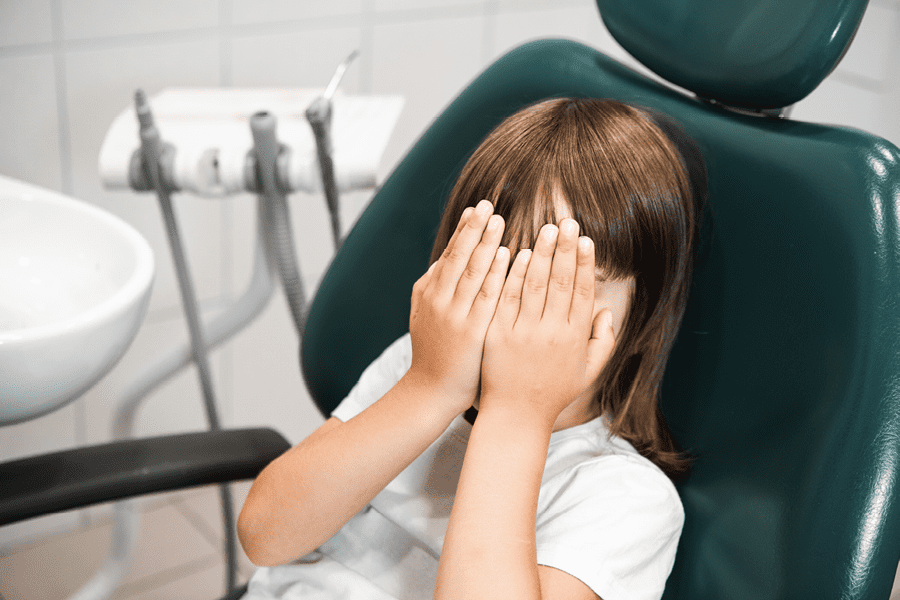
Do you dread that reminder call about your upcoming dentist appointment? Maybe you’ve heard a horror story from a friend, or you’ve had a painful experience yourself. Whatever the reason, it’s important to know that you’re not alone. In fact, roughly 36% of adults in the United States suffer from a fear of pain at the dentist or a fear of dentists in general, also known as dentophobia.
Continue readingSpring cleaning checklist: Oral health edition
Spring is the perfect time to refresh not just your home but also your oral health routine! Just like decluttering your living space, a little extra care for your teeth and gums can go a long way in maintaining a healthy, bright smile.
Continue readingUnderstanding AMD: What you need to know about age-related macular degeneration
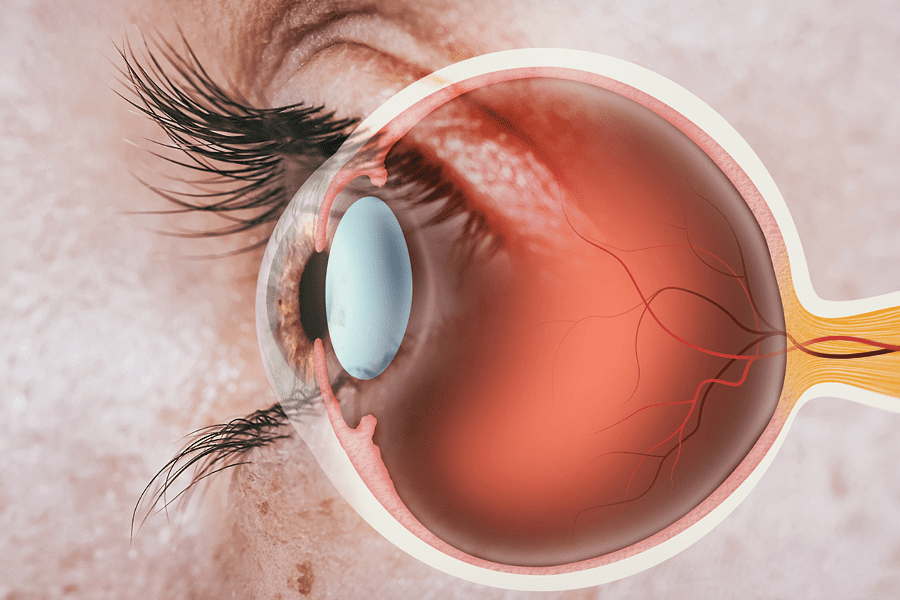
Have you found yourself squinting to read a menu or zooming in on your phone’s text more often? Maybe you missed a turn because the road sign seemed more difficult to read than usual. These common frustrations could be early signs of age-related changes in your vision, particularly those linked to age-related macular degeneration (AMD).
Continue readingCommon misconceptions about children’s dental health
*Updated February 2026
Key takeaways about children’s dental health:
- Baby teeth are important.They help with eating, speaking, and guiding adult teeth into place.
- Start dental visits early. Children should see a dentist by their first birthday or first tooth.
- Daily habits prevent cavities. Brushing, flossing, water, and smart snack choices protect kids’ teeth.
Children’s dental health is a topic filled with myths and misunderstandings that can lead to poor oral care practices. Promoting healthy teeth and gums is not only essential for your child’s oral health but also plays a vital role in supporting their overall well-being.
Learn about some of the most common misconceptions surrounding children’s dental health and discover the facts to help you make informed decisions.
Common misconceptions about children’s dental health
Myth 1: Baby teeth don’t matter because they fall out anyway.
Fact: Baby teeth play a crucial role in a child’s development. They help children chew, speak, and smile properly. Additionally, they hold space for permanent teeth. Losing baby teeth too early due to decay or other issues can lead to alignment problems with adult teeth later.
Proper care, including brushing, flossing, and regular dental visits, is essential for children’s dental health at all ages.
Myth 2: Cavities in baby teeth don’t need to be treated.
Fact: Untreated cavities in baby teeth can lead to pain, infections, and difficulties eating or speaking.
Remember, treating cavities promptly and maintaining good oral hygiene helps prevent long-term issues and supports your children’s dental health.
Myth 3: Kids don’t need to see the dentist until they start school.
Fact: The American Academy of Pediatric Dentistry (AAPD) recommends that children visit the dentist by their first birthday or when their first tooth erupts. Early dental visits help identify potential issues, establish good oral health habits, and make children more comfortable with dental checkups.
Myth 4: Sugar is the main cause of cavities.
Fact: While sugar certainly contributes to cavities, it’s not the only factor. Cavities are caused by acid produced by bacteria in the mouth when they break down carbohydrates. This includes sugars as well as starchy foods like bread, crackers, and chips.
Brushing twice a day, flossing, and limiting sugary or starchy snacks are key in preventing cavities and protecting your children’s dental health.
Myth 5: Kids don’t need to floss.
Fact: Flossing is just as important for kids as it is for adults. Flossing helps remove plaque and food particles from between teeth, an area that a toothbrush can’t reach. Flossing should happen as soon as two teeth have erupted next to each other.
Pro tip: Learn how to floss properly here.
Myth 6: Juice is a healthy alternative to soda.
Fact: While juice may contain vitamins, it’s often high in natural and added sugars, which can contribute to tooth decay. The American Academy of Pediatrics recommends limiting juice and encouraging children to drink water and milk instead. If juice is offered, it’s best to do your best to ensure it’s “no sugar added,” serve it with meals, and ensure children brush their teeth afterward.
Pro tip: If brushing isn’t an option, have your child swish with water to help remove any sugar left on the teeth.
Myth 7: It’s normal for kids to have bad breath.
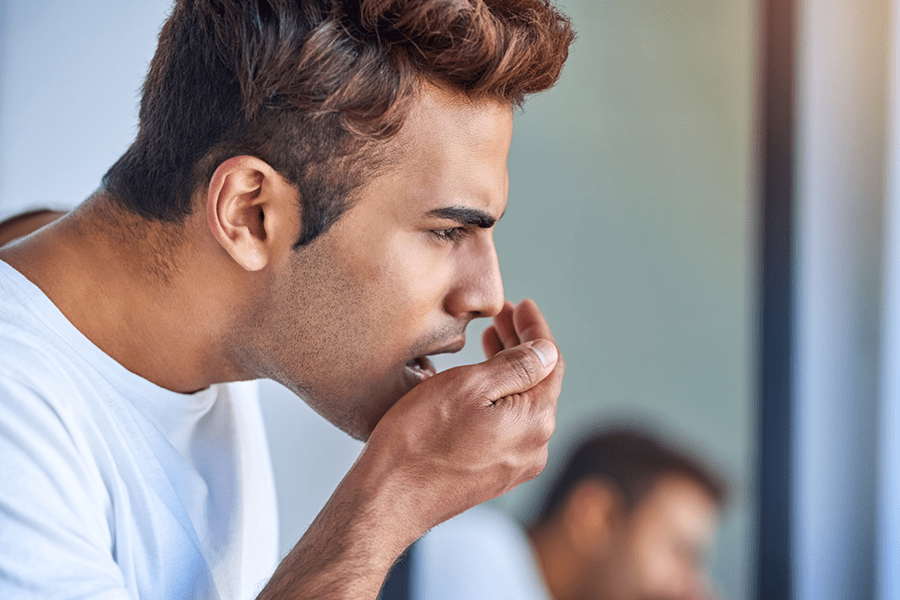
Fact: Persistent bad breath in children can be a sign of poor oral hygiene, cavities, gum disease, or even other health issues such as sinus infections. If the bad breath continues despite proper brushing and flossing, it’s a good idea to consult a dentist to safeguard your children’s dental health.
Take care of your children’s dental health now
Understanding the facts about your children’s dental health is essential for keeping their smiles healthy and bright. By debunking these common myths, you can take better care of their teeth and gums, laying the foundation for a lifetime of good oral health.
For any questions or concerns about your child’s dental care, don’t hesitate to reach out to a dental professional.
Oral health basics: All about gum disease
Gum disease is one of the most widespread oral health issues and remains a significant threat to dental health for many people. Understanding this condition is key to protecting your gums and maintaining a healthy smile.
Continue readingSkipping the dentist now could cost you more later: The importance of preventive checkups
*Updated November 2025
Key takeaways about preventive checkups:
- Preventive checkups catch issues early, avoiding costly treatments later.
- Dentists can spot signs of systemic conditions like diabetes and heart disease at preventive screenings.
- Most dental insurance plans include preventive cleanings and exams at little to no cost.
When life gets busy, it’s easy to let routine appointments fall by the wayside, including preventive checkups at the dentist. However, skipping these visits can lead to higher costs…not just financially, but for your overall well-being.
Discover why prioritizing preventive checkups is critical for good oral health and how they can save you money and unnecessary discomfort.
Don’t skip preventive checkups
Before you pick up your phone to cancel your upcoming dental appointment, consider these reasons to keep it!
Early detection saves money
Dental problems like cavities, gum disease, and tooth sensitivity often start before you realize they’re becoming an issue. Preventive checkups allow your dentist to detect them early, making treatments less invasive and expensive. Remember, a small cavity identified during an exam can be treated with a simple filling or monitored. But ignoring it could result in the need for a costly root canal or crown later.
Investing in preventive care now can help you avoid more expensive procedures like deep cleanings or gum surgery down the road.
Prevention is better than a cure
Preventive checkups include professional cleanings that remove plaque and tartar build-up, which regular brushing and flossing can’t fully address. This significantly reduces your risk of gum disease, tooth decay, and bad breath, all of which may require more appointments to fix.
Protecting your overall health
Your oral health is closely linked to your overall health. Regular preventive checkups can reveal early signs of systemic conditions like diabetes, heart disease, sleep apnea, osteoporosis, and more. Catching these indicators early helps prevent complications that could lead to more serious health issues and medical expenses.
Insurance benefits often cover the cost of preventive checkups
Many Delta Dental of Wisconsin dental insurance plans cover preventive checkups, including cleanings, exams, and X-rays, at little to no cost. Skipping these covered services is like leaving money on the table while also increasing the risk of needing more extensive, and expensive, procedures in the future.
Pro tip: Be sure to check your dental plan for specific details about your coverage.
Build good oral health habits for lifelong health
Preventive checkups play a vital role in establishing healthy habits for a lifetime. For families, starting kids with regular dental visits early teaches the importance of good oral health and helps reduce the risk of anxiety and dental issues as they grow.
Tips for maximizing your Delta Dental of Wisconsin insurance benefits
Having dental insurance makes it easy to make and keep your preventive checkups. Use the tips below to ensure you’re getting the most out of your coverage:
- Know your plan: Understand what preventive services are covered and how often they’re available.
- Schedule before deadlines: Many plans reset benefits annually. Make sure to schedule your preventive checkups before the year ends.
- Check network options: Visiting an in-network dentist can save you additional money.
Your future self will thank you for preventive checkups
Investing in preventive checkups today ensures a healthier smile, better oral health, and a happier wallet tomorrow. Make your oral health a priority to keep your teeth strong, your body healthy, and your finances on track.
Don’t let busy schedules keep you from staying on top of your dental care! Find a dentist and schedule your next preventive checkup today!