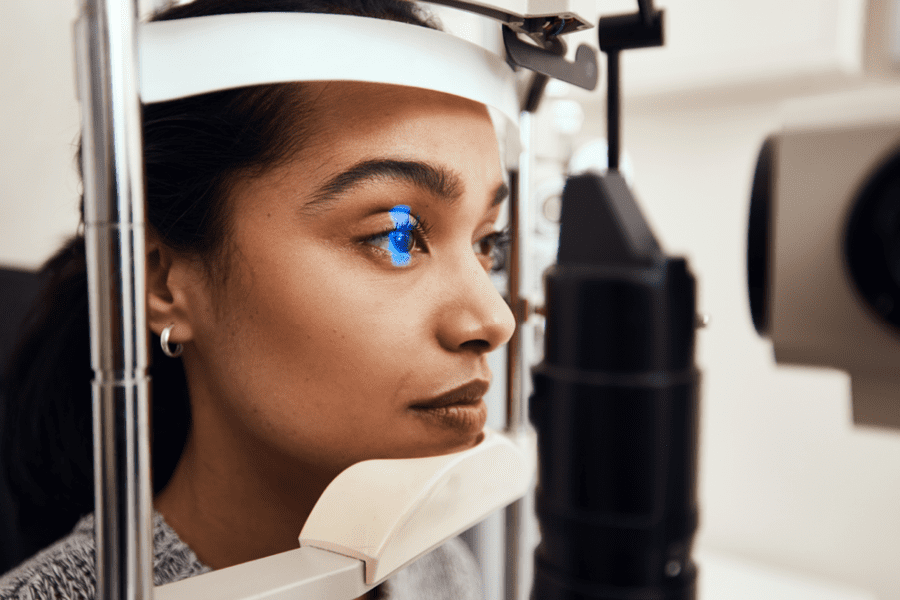
Optometrist vs. ophthalmologist: What is the difference?

If you are confused about the difference between an optometrist and an ophthalmologist, you’re not alone! Not many people fully understand the difference between the two.

In this article we will cover the similarities and differences between optometrists and ophthalmologists so you can be confident you are seeing the correct person for your vision needs.

What is an optometrist?

According to the American Optometric Association, an optometrist examines, diagnoses, treats, and manages diseases and disorders of the eye. In addition to providing eye and vision care, they play a major role in an individual’s overall health and well-being by detecting systemic diseases and diagnosing, treating, and managing ocular manifestations of those diseases, and providing vaccinations.

Doctors of optometry complete pre-professional undergraduate education in a college or university and four years of professional education at a college of optometry, leading to the doctor of optometry (O.D.) degree. Many doctors of optometry complete an additional residency in a specific area of practice.

What is an ophthalmologist? 

An ophthalmologist specializes in the diagnosis and treatment of eye diseases and disorders. Ophthalmologists are qualified to perform surgery, prescribe medication, and provide vision care.

In general, ophthalmologists’ scope of practice includes all of the care that an optometrist provides as well as secondary and tertiary eye care that includes major ocular surgery. Most ophthalmologists specialize in specific areas of the eye such as retina, glaucoma, pediatrics, etc.

To become an ophthalmologist, one must complete college and at least an additional eight years of medical training. After receiving a Doctor of Medicine degree, ophthalmologists can practice medicine and surgery on patients.

Ophthalmologists generally work in clinics and hospitals.

Optometrists and ophthalmologists are important for vision care

Both specialties are important for vision care. Often an optometrist will be the first to spot an eye abnormality and can refer a patient to an ophthalmologist for further evaluation.

Optometrists and ophthalmologists are your first line of defense against eye diseases and vision loss. Be sure to go to an eye exam each year to keep track of any changes or abnormalities in your vision. Vision insurance makes it easy to find and schedule visits with both optometrists and ophthalmologists.


Learn more about our vision insurance options.

Smile, employers! There are ways to create a more positive workplace.

Do you help make your employees smile? Happy workers make for a more successful business. When workers feel respected and valued, they’re more likely to be happy and engaged.

Workplaces that lack a positive atmosphere have higher absenteeism, more accidents, increased errors and defects, decreased productivity, and lower profitability. Additionally, research has found that employees are dealing with more mental health issues such as increased feelings of anxiety, panic attacks, and depression, particularly in the post-COVID era.

Taking care of employees is the best thing businesses of any size can do to make sure they are successful. Therefore, we’ve compiled some of the top ways to create and maintain a more positive workspace – essential for businesses and their employees. Try implementing some or all of the recommendations below to see more smiles in the office.

1. Make employees feel valued.

Employees care about more than just their salary. In fact, 88% of job seekers give “heavy consideration to better health, dental, and vision insurance benefits when choosing their job” according to a survey by FRACTL. By offering an attractive benefits package that addresses their additional needs and wants, you can help reduce their stress and increase their happiness. Strong medical, dental, and vision benefits are the most valued benefits by job seekers. And, of course, dental coverage will help employees keep a healthy smile that they will love to show off.

2. Embrace work/life balance

The COVID pandemic required employees who typically worked in offices to work from home. During this time, employees began to embrace a solid work/life balance they had never experienced before the pandemic. Now, nearly three years after the start of the pandemic, employees have grown to appreciate the flexibility of working remotely. Businesses who embrace a strong work/life balance, and offer flexible hours and remote work options tend to have happier employees compared to those who are requiring full-time in-person workplaces.

3. Give employees a voice. 

Gather feedback on your benefits program to make sure employees know you are listening and working to make sure your benefits — including your dental plan — are meeting their needs.

4. Do little things that make a big difference. 

Recognize accomplishments often. Companies who have formal recognition programs have 31% less voluntary turnover compared to those with no programs. Celebrate a job well done and goals that are met by individuals and teams. Smaller, more frequent, positive feedback and rewards have been proven to keep employees happier than large but less frequent events.

Another simple way to show appreciation in the office? Keep employees happy and protect their smiles by stocking plenty of healthy, smile-friendly snacks around the office. Low-sugar yogurt, almonds, and crunchy fruits and vegetables like apple and carrots are all great choices.

Top five ways to take care of your children’s teeth

*Updated February 2025

If you’ve spent time around children, you’re probably familiar with the challenge of getting them to brush their teeth. However, prioritizing your child’s oral health is essential for their overall well-being.

Believe it or not, there are steps parents can take even before birth to kickstart caring for children’s teeth. After birth, the journey to a healthy and happy smile begins much earlier than many might think.

Five ways to care for your children’s teeth

1. Good oral health starts before birth

Many mothers are unaware that their oral health habits during pregnancy can impact their unborn children’s teeth. Due to changes in hormones and symptoms of pregnancy, pregnant mothers are more likely to experience dental problems, including:

Taking care of oral health before birth is important for both the mother and baby.

Click here for more information on pregnancy and oral health.

2. Start a good oral health care routine young

Many parents don’t realize just how important it is to establish good oral health habits early. In fact, actively caring for your children’s teeth begins the moment they are born.

Use these oral health routine tips for infants/young kids:

If you aren’t comfortable with your child brushing on their own, continue to brush for them and ask your dentist for tips and tricks to help your child pick it up.

3. Model good oral health behaviors

Children are natural imitators. They love to mimic what they see the adults around them do. Even when you think they’re not paying attention, they’re observing more than you realize. Use this to your advantage by setting a positive example and showing them the importance of a consistent oral health routine.

Try these tips to teach your child to correct way to brush:

  1. Splash your toothbrush with water.
  2. Apply a pea-sized amount of fluoride toothpaste.
  3. Hold the toothbrush at a 45-degree angle.
  4. Insert the toothbrush into your mouth and begin gently brushing in small circles on each tooth for a total of two minutes.
  5. Repeat this process twice a day.

Remind your child that although two minutes might seem like an eternity, it is important for each tooth to be brushed and cleaned correctly.

4. Use the right oral health tools

Oral health care can only be effective if you have the proper oral health tools.

Here are some must-haves for taking care of your children’s teeth and mouth:

  • Gauze pads or a clean washcloth to use on gums before teeth appear
  • Fluoride toothpaste
  • Child toothbrush (ADA Approved)
  • Dental floss
  • Regular dental checkups

The tools needed to keep children’s teeth and mouths healthy are quite similar to those used by adults. However, it’s important to choose toothbrushes, toothpaste, and other oral health essentials designed specifically for small hands and mouths to ensure they’re both effective and comfortable for your child.

5. See a dentist early

Teaching your kids about the importance of oral health is essential, but maintaining your children’s teeth also requires regular visits to the dentist. These visits are crucial because dentists can clean areas that toothbrushes and floss can’t reach, which is especially important for children who may miss spots when brushing.

Additionally, your child’s dentist can detect early signs of tooth decay or potential cavities, helping to prevent bigger issues down the road. Regular dental checkups set the foundation for a lifetime of healthy smiles.

Click here to find a dentist and schedule an appointment today.

Prioritize your children’s teeth today for a healthier tomorrow 

By taking proactive steps to prioritize your child’s oral health—from before birth to their first dental visits—you’re setting them up for a lifetime of healthy smiles. Good oral hygiene habits, the right tools, and regular dental checkups all play a vital role in preventing cavities and ensuring your child’s overall well-being.

Remember, a little effort today can lead to big rewards for your child’s future. Start their journey to a healthy, happy smile today!

Want to learn more about pediatric oral health? Check out this blog: Long term effects of poor oral health care on children.

Mouth ulcer development and the link to stress, anxiety, depression

As we’ve been sharing for years, oral health is tightly connected to our overall health. Conditions like stress, distress, anxiety, depression, and loneliness are linked with poor oral health, including the development of painful mouth ulcers.

A study from the National Library of Medicine found that there is a casual relationship between stress-related mood instability, insomnia, and anxiety and the development of mouth ulcers. In this blog we dive into the causes of mouth ulcers and how taking care of your mental health may reduce your risk of developing them.

What is a mouth ulcer?

Mouth ulcers are sores that can form on your lips, gums, inner cheeks, or roof of your mouth. Sometimes called canker sores, these lesions in the mouth can be very painful even though they’re usually not harmful to your health. The sores are generally red or yellow and will go away on their own with time. However, if you experience chronic mouth ulcers it’s important to chat with your dentist as it could indicate a more serious health condition such as diabetes, immune disorders, HIV and AIDs, and more.

What causes mouth ulcers?

Mouth ulcers are caused by many things including tissue injury in the mouth, biting the tongue or inner cheeks, vitamin deficiencies, eating a lot of acidic food, infections, and using abrasive toothpaste.

The painful sores are also caused by increased stress, hormonal changes, lack of sleep, and anxiety.

Research connects mental and oral health with mouth ulcers

As the understanding of the connection between oral and mental health continues to grow, dentists and doctors are starting to work together to provide optimal care for their patients. Mental health in particular seems to have a serious impact on an individual’s oral health.

Mental health disorders such as stress and anxiety have been linked to a higher likelihood of developing mouth ulcers. Research suggests that stress is linked to disrupting immune system components, leading to an overall imbalance in hormones and chemicals in the body. This imbalance is often associated with the development of mouth ulcers.

In addition to biological factors, poor mental health has been linked to an increased risk of poor oral health habits. People struggling with mental health disorders are less likely to brush their teeth and floss regularly and go to dental checkups.

The mind and mouth connection

Taking care of your mental health, recognizing and reducing stressful situations, and finding ways to deal with anxiety may help reduce your risk of developing painful mouth ulcers (and other dental or medical problems). It’s important to talk with a medical professional to help alleviate or treat the problems. The mind to mouth connection is strong!

Learn more about the oral and overall health connection:

When your child says “I’m scared of the dentist”

We know visits to the dentist play a critical role in maintaining a child’s oral health. That might be hard for kids to understand as they lie back in an unfamiliar office with a stranger standing over them and loud noises coming from every direction.

Unfortunately, fear of the dentist can lead to a delay in treatment and eventually poor oral health for everyone, including children. There are ways to help your children with dental anxiety. Keep reading for some helpful tips when your child says, “I’m scared of the dentist!”

Tips to alleviate children’s fear of the dentist

Although it can be frustrating, helping your child get over their fear of the dentist is one of the best things parents can do. Here are some ideas to get started:

Start early

Your child should meet the dentist as soon as baby teeth come in, or by his or her first birthday. Starting early shows kids that dental visits are important in helping them keep their best smile. These visits also make your child more comfortable with the dental office when they come back for regular checkups as they get older.

Choose a pediatric dentist

You might think it’s a better idea to choose a family provider, but finding a pediatric dentist for your child is a better option. After dental school, pediatric dentists take two to three years of specialty training to make them experts at treating kids, including young patients who express fear of the dentist. Their offices are also more likely to feature kid-friendly decorations and comfort toys.

Watch your words

It may be tempting to give reassurance by saying “it won’t hurt” or “it won’t be scary,” but those statements can actually give kids the impression that they have something to look out for. Explain that the dentist will use special tools to make sure their teeth are clean and healthy and things might get loud sometimes. You can tell your child that you visited the dentist as a kid too, but leave out the unnecessary stories that mention negative experiences.

Practice patience and pay attention

Don’t get mad or feel embarrassed by your child’s anxiety. Forcing them through the appointment by pinning their arms down, yelling, or making threats can make the experience worse. Consider going into the exam room with your child. Kids older than eight may not need the extra support, but for children who are younger, holding their hand or allowing them to sit on your lap during the exam can give them the comfort they need. If your child clams up or gets shy when the hygienist starts asking questions, they may need you to answer for them. But don’t be the parent who tries to take over the exam room – trust the staff and know that they also want to make it through the appointment.

Defeating fear of the dentist in children is important

When it comes to your children, nothing is more important than their health. Helping them understand the importance of seeing a dentist and ways to deal with their dental worries will help ensure good oral health now and in the future.

Need help finding a pediatric dentist? Click here.

How to stop gum recession

Gum recession can affect anyone – even those who follow excellent oral health habits. Factors like age and genetics play a part in this, which is why it’s essential to know what you can do to stop gum recession.

Although you can’t reverse gum recession and its effects, there are things you can practice if you’re curious about how to stop gum recession from worsening.

What is gum recession?

Gum recession is a form of gum disease in which gum tissue pulls away from the teeth, revealing the tooth’s root. Like other forms of gum disease, gum recession can result from poor oral health, making you more prone to cavities and a higher risk of tooth loss. According to Cleveland Clinic, “gum recession can be mild, moderate, or severe. It may affect one tooth or multiple teeth.”

Symptoms of gum recession

Most people with gum recession can identify the condition by visibly seeing the tooth’s root. However, according to Healthline, other symptoms of receding gums include:

  • Bleeding after brushing or flossing
  • Red, swollen gums
  • Bad breath
  • Sensitivity or pain at the gum line
  • Visibly shrinking gums
  • Loose teeth

Causes of gum recession

Individuals over the age of 65 are most likely to develop gum recession. However, certain things can cause it in your younger years. It can be your routine, the presence of certain diseases, or even a combination of both. Partaking in certain health habits may put you at higher risk of developing gum recession, including:

  • Aggressive brushing 
  • Tobacco use
  • Plaque or tartar buildup from poor oral health habits

Although poor oral hygiene is one of the most common causes of gum recession, certain pre-existing conditions can also be contributing factors, such as:

  • Periodontal disease
  • Diabetes
  • Immunocompromised disease
  • Genetic history 
  • Dry mouth

Depending on the severity of the gums, nonsurgical and surgical treatments can help if you’re wondering how to stop gum recession.

Nonsurgical treatments for gum recession

Although it’s impossible for receding gums to grow back, there are nonsurgical treatments that can help halt any recession and reduce the appearance.

  • Root scaling and planingYour dentist may recommend root scaling and planing procedures to remove plaque buildup and reduce the presence of bacteria on the gums.
  • Dental bonding: Dentists can use a tooth-colored composite resin to help camouflage the recession area, hiding the recession and making it more comfortable for you.
  • Natural remedies: Various studies find that oil pulling, aloe vera applications, and the use of essential oils contain antiplaque and antigingivitic properties.

Surgical treatments for gum recession

If you’re looking for a long-lasting treatment, your dentist or periodontist may recommend a gum graft surgery. During this procedure, a gum graft replaces the missing gum tissue by taking other tissue from various parts of your mouth. There are many different types of gum grafts, and your dentist will help you decide which is best for you and your situation:

  • Connective tissue graft: Skin is taken from the roof of your mouth and tissue from under the flap. 
  • Free gingival graft: Tissue is taken only from the roof of your mouth.
  • Pedicle graft: If possible, tissue is taken from the gums surrounding the affected area.

Although components like aging and genetics can play a part in the likelihood of developing gum recession, the best thing you can do to keep your gums healthy is to maintain a proper oral care routine. Brush and floss twice daily and visit the dentist regularly for routine cleanings and check-ups. If treatment is needed, discuss any of the options above with your dentist.

Eye diseases explained: Glaucoma

*Updated March 2025

Today, nearly 3 million Americans have glaucoma. However, because symptoms are near impossible to catch early on, 50% of people with glaucoma are unaware they have the disease.

What is glaucoma? 

Glaucoma is a group of eye diseases that damage the optic nerve, which is essential for clear vision. If left untreated, glaucoma can gradually lead to permanent vision loss and even blindness.

Types of glaucoma

Angle-closure glaucoma

Also called closed-angle or narrow-angle glaucoma, it occurs when the drainage system in the eye becomes blocked, causing an increase in eye pressure. This can happen rapidly or over time, and symptoms include severe eye pain, nausea, blurry vision, and headaches. Rapid onset is a medical emergency and requires immediate treatment to prevent vision loss.

Open-angle glaucoma

This is the most common type of glaucoma. It occurs when the eye’s drainage canals become clogged over time, causing increased eye pressure. Open-angle glaucoma develops slowly and painlessly, often without noticeable symptoms until vision loss has occurred. Therefore, early detection through comprehensive eye exams are key in preventing severe damage to the eye.

Normal-tension glaucoma

In this form of glaucoma, optic nerve damage occurs despite having normal eye pressure. The exact cause is not well understood, but factors like poor blood flow to the optic nerve may contribute.

Congenital glaucoma

Congenital glaucoma is a rare form that occurs in infants and young children due to improper development of the eye’s drainage system. Symptoms may include cloudy eyes, excessive tearing, and sensitivity to light. Early intervention is crucial to prevent vision loss.

Symptoms of glaucoma

Many people with glaucoma do not experience symptoms in the early stages. However, as the disease progresses, symptoms may include:

  • Gradual loss of peripheral (side) vision
  • Blurred or hazy vision
  • Red or bloodshot eyes
  • Eye pain or pressure
  • Headaches
  • Low vision
  • Double vision

How to diagnose glaucoma

During the dilation portion of your comprehensive eye exam, your doctor will check for signs of glaucoma with a widely used method that allows for a thorough examination of the optic nerve and retina. It helps to detect early indicators of glaucoma, such as changes in the shape or color of the optic nerve or cupping of the optic disc. Early detection is key to preserving vision and preventing further damage.

Other tests can be used to diagnose glaucoma, including:

  • Optic nerve imaging: Damaged areas are identified through photographs of the optic nerve.
  • Visual acuity test: Using an eye chart, your eye doctor will measure distance and visual sensitivity to help identify specific injuries and diseases.
  • Gonioscopy: An examination of the drainage angle using a lens placed over the eye to determine if the drain is open or closed.
  • Visual field: A measurement of a person’s peripheral vision. Poor or completely lost peripheral vision may be a sign of glaucoma.
  • Tonometry: A small, handheld device is used to measure the fluid pressure inside the eye.

Is glaucoma preventable?

No, it is not preventable. However, early detection is paramount because your eye doctor can help manage your glaucoma and reduce the chance of vision loss. The seriousness of waiting too long to treat glaucoma is why it is essential to schedule regular eye exams and catch it early on.

How is glaucoma treated?

Treatment options vary depending on the type of glaucoma and the stage of the condition.

  • Laser treatment: Lasers can be used to help drain excess fluid out of your eye.
  • Medication: Prescription eye drops can help reduce the pressure inside your eye and slow down damage to your optic nerve.
  • Surgery: Your doctor may also recommend glaucoma surgery. There are a couple of different types of surgery, all done to help drain fluid out of the eye.

The bottom line on glaucoma

Glaucoma is a leading cause of blindness, but early detection and treatment can help preserve vision. If you’re at risk or haven’t had an eye exam in a while, schedule a comprehensive eye checkup today.

Want to learn more about eye health? Check out “Ways to improve your eye health.”

How young? The surprising truth behind early orthodontics

Orthodontic treatments for preteens are incredibly common. In fact, some consider it a “coming of age” event. However, many parents are surprised that children as young as seven can benefit from orthodontic treatment.

In this article, we uncover the surprising truth behind early orthodontics, the importance of orthodontic treatments, and why you shouldn’t be concerned if treatment is recommended for your young child.

What is orthodontic treatment?

Before we get into why early orthodontic treatment is nothing to be concerned about, it’s important to understand why orthodontics are crucial to oral and overall health.

For most people, the first thing that comes to mind when they hear orthodontics is braces. While braces are a major component of orthodontics, there are other treatments available. The main purpose behind orthodontic treatments is to correct any bite or jaw problems that someone has. Problems such as a crossbite, underbite, crowding of teeth, protrusion, or other forms of teeth misalignment can be corrected with orthodontic treatment.

Why is orthodontic treatment important?

Orthodontic treatment is important for many reasons. Two of the biggest reasons someone may need treatment include properly chewing and speaking. Other reasons to correct misaligned teeth are the inability to clean teeth correctly, the wearing down of enamel, and creating a more attractive smile.

Without treatment, a misaligned bite can lead to many problems like:

  • Jaw shifting
  • Stress on jaw joints
  • Swallowing problems
  • Speech problems
  • Gum disease
  • Higher risk for cavities
  • Inability to close the mouth and lips properly

Forgoing orthodontic treatment can have a negative impact on both your oral and overall health and self-confidence.

What to expect during orthodontic treatment

Unlike other oral health treatments, like getting a cavity filled, an orthodontic treatment generally takes months or even years to complete. This is because it is correcting and adjusting the facial and jaw bones as well as soft tissues in the skull.

Types of orthodontic treatments

  • Braces are made of wires and stainless-steel brackets that are cemented to your teeth. The wires are threaded through brackets and deliver a constant force that gently moves the teeth over time. 
  • Clear aligners are made of thin, plastic trays that fit over a patient’s teeth. The patient must remember to put in and remove the aligner each day. Every couple of weeks a new aligner is used to move the teeth slowly to the correct position.
  • Elastics are tiny rubber bands that can accompany braces to put extra force on a tooth or teeth. The elastics help move the teeth into their ideal position. Any use of elastics should be prescribed by an orthodontist.
  • Retainers are generally used after orthodontic treatment is complete. The purpose of a retainer, whether it’s removable or permanent, is to keep teeth in place. This is especially important in the first six months after treatment.

Early orthodontic treatment

Now that we have covered the importance of orthodontic treatment, it’s time to dive into the surprising truth behind early orthodontics.

Young children and orthodontic treatments

The most common age to have braces put on is usually around 11 or 12 years old. However, it’s not uncommon to have children as young as seven receive orthodontic treatment if needed.

The American Association of Orthodontists recommends that all children see an orthodontist for a checkup by the age of seven. It’s important to note that this does not mean your child will receive any treatment at that time. But the orthodontist can evaluate how the bite and jaw are developing and advise parents on whether treatment will be needed in the future. The age at which your child will most benefit from any orthodontic treatment will be determined by their orthodontist.

Your child’s orthodontist will consider many factors before recommending treatment. Some of these factors may include:

  • Whether an orthodontic problem is inherited: this means genetics influenced the orthodontic problem
  • Whether an orthodontic problem is acquired: this means the orthodontic problem was brought on by things such as pacifier use, thumb sucking, abnormal swallowing, accidents, etc.
  • Child’s stage of dental development
  • The severity of the orthodontic problem

After considering the factors above, your child’s orthodontist will be able to give you a comprehensive treatment plan and the best way to move forward.

Common concerns

It’s normal to be hesitant about early orthodontic treatments. Getting accurate information before the process begins can help relieve anxiety for both you and your child.

My child still has baby teeth. Should we wait for treatment?

Many parents are shocked to learn that waiting for permanent teeth to come in can make correcting orthodontic problems more difficult. It’s easier to correct problems when the bones in the face and jaw are still developing rather than waiting until they are done growing.

Will my child’s teeth correct themselves as they grow?

This is a common misconception. Unfortunately, once a misalignment in the teeth or jaw develops, it will not self-correct with time. In some cases, the problem will worsen and become more difficult to correct as the facial and jaw bones harden.

Are braces the only option for my child?

Braces are often thought of as the only treatment option for orthodontic problems. However, there are many other tools that may be a better fit for your child’s needs. Removable “appliances” are sometimes used to move teeth, change the position of the jaw, or help teeth stay in place. Other times, removing a baby tooth can help alleviate the problem and assist adult teeth in coming in better.

Early orthodontic treatment makes correcting problems easier

Catching and treating orthodontic problems early will make it easier to correct them. Delaying or forgoing orthodontic treatment can make it harder to correct problems in the long run or may not be possible at a certain point.

If you are concerned about early orthodontic treatment, be sure to talk with your child’s orthodontist who can explain the process and address any questions you have. No matter what age your child begins their orthodontic treatment, whether they are seven or 17, a healthy and functional smile is the goal!

Keeping healthy vision as we age

*Updated March 2026

Key takeaways about keeping vision healthy as we age: 

  • Eye exams detect vision issues and overall health problems like diabetes and heart disease, often before symptoms appear.
  • Watch for vision changes including blurry vision, eye pain, flashes of light, floaters, redness, or swelling.
  • Protect your eyes daily by wearing sunglasses, eating well, staying active, managing health conditions, and taking screen breaks.

You’ve probably heard the saying “the eyes are the windows to the soul,” but did you know they’re also a window to our overall health? Understanding what vision changes to expect as you age is not only important for your vision health but also for your overall health.

Vision changes that come with aging

Regular exams with your eye doctor can help diagnose vision-related issues such as diabetic retinopathy, glaucoma, cataracts, age-related macular degeneration, and many more. They can also help diagnose other health issues such as heart disease and diabetes.

Vision changes to watch out for as you age:

  • Blurry or weakened vision
  • Double vision
  • Redness or swelling
  • Flashes of light
  • Eye pain
  • New floaters
  • Tearing
  • Eyelid swelling or itching

If you notice any of these changes in your vision, it’s time to visit your eye doctor. However, you shouldn’t only visit your eye doctor when you notice something wrong with your vision. Many vision issues, such as glaucoma, can be diagnosed at your regular eye exam before any symptoms are present.

Keeping healthy vision as we age

Visiting the eye doctor isn’t the only thing you should be doing to keep your vision healthy. It’s important to protect your eyes in between visits.

Here are some helpful tips to protect your eyes:

  • Wear sunglasses outside
  • Eat a balanced diet
  • Stay active
  • Control other preexisting conditions
  • Stop smoking
  • Take breaks from electronic devices

Prioritize your vision health today

Your eyes are an essential part of your quality of life and overall health. By scheduling regular eye exams, watching for warning signs, and practicing healthy habits daily, you can protect your vision for years to come. Don’t wait for symptoms to appear. Take proactive steps now to keep your eyes and body healthy as you age.

If you’re looking for vision coverage, DeltaVision® makes it easy to care for your eyes. Find an eye doctor and make an appointment. Our network has countless providers and locations nationwide.

We partner with popular providers like LensCrafters® and Target Optical℠, in addition to many smaller, independent doctors. These retailers offer conveniences such as multiple locations and extended hours to help members get the service they need when they need it.

Click here to learn more about our vision coverage.

What is cosmetic dentistry?

If your smile doesn’t make you feel confident, your quality of life can be negatively impacted. This is where cosmetic dentistry may help. Millions of people turn to cosmetic dentistry each year to improve their smile and self-esteem. Keep reading to find out what cosmetic dentistry is and if it’s a good option for you.

What is cosmetic dentistry?

According to the American Academy of Cosmetic Dentistry (AACD) cosmetic dentistry is “aimed at creating a positive change to your teeth and your smile…cosmetic dentists strive to maintain a patient’s health, function, and appearance for their lifetime.”

Basically, cosmetic dentistry enhances the appearance of your smile through procedures such as teeth replacement, teeth whitening, orthodontic treatments, and more. Cosmetic procedures can be done for medical reasons or as elective treatments for patients who are self-conscious of their smile.

Types of cosmetic dentistry procedures

Cosmetic dentistry is an umbrella term for various procedures that are meant to improve and enhance your smile. Your oral health team will work with you to decide which cosmetic procedures are the best fit to achieve your smile goals.

Common cosmetic dentistry procedures:

Cosmetic teeth whitening

If you are self-conscious of stains or discoloration on your teeth, a tooth whitening procedure may be a good option. These procedures can be done in your dentist’s office or in your home, depending on the treatment. Typically, treatments performed in the dental office are more invasive than at-home alternatives. However, they are usually more effective and faster at whitening your teeth.

Cosmetic dental implant

Missing teeth are one of the biggest reasons people choose not to smile. Cosmetic dental implants can help fill the gap and replace a missing tooth or teeth. During a procedure, a metal implant is placed in the jawbone to act as a “root” for an artificial tooth. Once the implant is secured in the jawbone, it’s used to anchor artificial teeth. For more information, read our blog about dental implants.

Cosmetic teeth reshaping

If you have a tooth or teeth that are misshapen, chipped, misaligned, or cracked, it’s easy to be self-conscious of your smile. Teeth reshaping is often less expensive than other procedures such as crowns or bridges. During a tooth reshaping procedure, a dentist will painlessly remove some enamel from the affected tooth and then shape and lengthen as needed. In some cases, tooth-colored resin may be applied to achieve a desired shape.

Cosmetic dental veneers

Cosmetic dental veneers are a great option for patients who have chipped, discolored, crooked, or uneven teeth. Dental veneers are a thin tooth covering (sometimes called shells) made from porcelain or composite materials that appear very natural. Veneers are custom fit to each patient before getting applied to the front of a tooth with cement. Once the veneers are set, the patient can return to normal activities the same day.

Cosmetic orthodontic treatment

Although braces are usually associated with young patients, cosmetic orthodontic treatment for adults is becoming more popular. For adults who have buck teeth, cross bites, or generally crooked teeth, braces may be a good option to straighten their smile. Braces have come a long way from the traditional metal type and people are often surprised at how comfortable they can be. Orthodontic treatments take the longest time to complete, but they can completely change the look of your smile.

Is cosmetic dentistry covered by dental insurance?

One of the most common questions people have about cosmetic dental procedures is whether they will be covered by dental insurance. The short answer is: it depends.

Most dental insurances will not cover cosmetic dental procedures if there is no medical reason to have them done. However, if a cosmetic procedure is medically necessary due to an accident, disease, or to fix a patient’s bite, dental insurance may cover some, most, or all of the cost.

It’s important to contact your dental insurance provider before proceeding with cosmetic dentistry procedures to verify whether it will cover costs or not. Cosmetic dentistry can be very expensive, so going over your benefits should be the first step before scheduling a procedure.

Who performs cosmetic dental procedures?

Cosmetic dentists and prosthodontists are both able to perform cosmetic dentistry procedures. However, there are significant differences between the two specialties.

Cosmetic dentists are usually general dentists who have completed specialty courses in cosmetic dentistry. Cosmetic dentists generally perform procedures such as whitening, dental veneers, crowns and bridges, and some dental implants.

Prosthodontists are specialists that are recognized by the American Dental Association. They must complete an additional three to four years of training after graduating from dental school and are considered experts in restorative treatments. Prosthodontists take on the most challenging cosmetic cases. They can do all the cosmetic treatments a cosmetic dentist does plus temporomandibular disorders, which affect the jaw or muscles controlling the jaw. These can include jaw injury, arthritis of the jaw, clenching and grinding teeth, and more.

For more information about cosmetic dentistry coverage be sure to contact your dental insurance provider.

To learn more about cosmetic dentistry procedures, check out “What to expect during a dental implant procedure.”