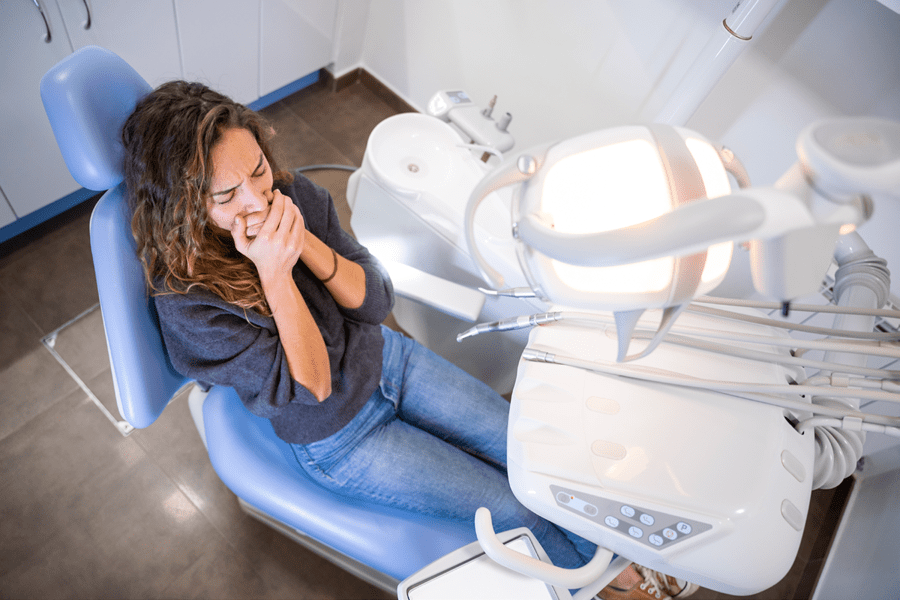
Key takeaways about recognizing a fear of the dentist:
- Avoiding the dentist isn’t always a sign of laziness or procrastination. It’s often related to a fear of the dentist. Spotting the signs is the first step in supporting a loved one.
- Talking about past experiences, triggers, or worries allows both you and their dentist to better support your loved one.
- Encouraging regular checkups, practicing calming strategies, and accompanying them to appointments can help build confidence and protect their oral and overall health.
When a loved one skips routine dental checkups or tries to ignore a painful oral health issue, it could be more than procrastination. It may be a sign they’re experiencing a fear of the dentist.
Recognizing this fear early is essential. Understanding what they’re going through is the first and most important step in helping them feel supported, seen, and eventually confident enough to get the care they need.
Spotting a fear of the dentist in loved ones
As mentioned before, identifying a fear of the dentist is the first step in helping your loved ones overcome it. It’s important to understand that their perceived stubbornness or laziness to make an appointment may stem from anxiety.
What are common signs of dental fear?
When a loved one shows any of the following behaviors ahead of a dental appointment, it may be a sign that they’re struggling with a fear of the dentist:
- Scheduling an appointment and canceling about a day before with no rescheduled date
- Refusing to make a dental appointment altogether
- Presenting with anger or not wanting to talk before an appointment
- Becoming irritated when dentist appointments are brought up
- Living with a chronic oral health problem
Pro tip: It’s important to approach your loved one with patience and understanding if they exhibit any of these behaviors. Shaming or threatening them may make the situation worse.
Understanding the fear of the dentist
Once you’re aware of these signs, it’s important to have an open conversation with your loved one about why they are anxious about going to the dentist. Understanding their fears can help you make them feel more at ease and allows their dentist to better support them during appointments.
Reasons why people fear the dentist:
- Negative or traumatic past experiences at the dentist
- A sense of helplessness or loss of control
- A strong gag reflex
- Feelings of embarrassment about the state or appearance of their teeth
- Fear of pain
- Family history of dental anxiety
How to help your loved one overcome a fear of the dentist
After you’ve acknowledged their fear and gained a better understanding of what triggers it, you can start helping your loved one feel more confident about attending dental appointments.
One of the most important steps is encouraging them to see a dentist regularly. While it may seem like the best short-term solution, avoiding the dentist often makes dental anxiety worse. For example, when issues like a toothache are left untreated, they can progress into infections that require more invasive treatment. This can create a more traumatic experience in the long run.
Additionally, helping your loved one practice calming exercises before their appointment, offering to accompany them to their appointment, or recommending that they speak with the dentist beforehand are all effective ways to help them feel more comfortable and prepared for their checkup.
Don’t let a fear of the dentist affect your loved one’s health
Encouraging your loved one to attend regular preventive checkups not only protects their oral health, but it also supports their overall well‑being. Once you identify a fear of the dentist in someone you care about, having an open conversation and offering support can make a big difference. By understanding their worries and helping them take small, manageable steps, you can empower them to get the care they need.
For more guidance on how to support someone with dental anxiety, check out “Top 5 ways to ease dental anxiety.”